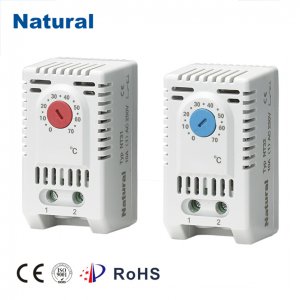
An adjustable mechanical thermostat is a classic, yet essential device used for regulating temperature in a variety of systems, from heating and cooling systems in homes to industrial applications. Despite the rise of digital and smart thermostats in recent years, the adjustable mechanical thermostat remains a reliable and cost-effective solution in many settings. This article explores the working principles, advantages, applications, and limitations of adjustable mechanical thermostats, highlighting why they continue to be a popular choice in various industries.
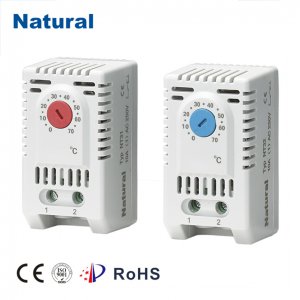
What is an Adjustable Mechanical Thermostat?
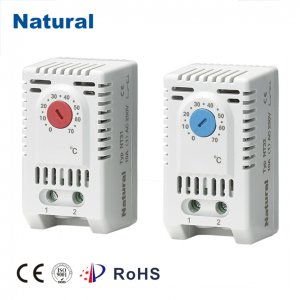
An adjustable mechanical thermostat is a device designed to maintain a desired temperature by opening or closing a circuit in response to changes in temperature. Unlike its digital counterparts, which rely on electronic sensors and microprocessors, the mechanical thermostat uses simple mechanical components, typically a bimetallic strip or coil, to control temperature fluctuations. The core element of a mechanical thermostat is the bimetallic strip, which consists of two metals with different coefficients of expansion. When the temperature changes, the metals expand or contract at different rates, causing the strip to bend or twist. This bending action is used to operate a switch that either turns a heating or cooling system on or off. The temperature setting is adjusted by a manual dial or knob, allowing the user to determine the desired temperature range.