A Time Delay Relay (TDR) is an essential component in various electrical and automation systems. It functions as a delay mechanism that controls the timing of when a circuit is activated or deactivated. This simple yet powerful device is widely used in industries that require precise control of devices, such as in motor protection, lighting systems, and HVAC (Heating, Ventilation, and Air Conditioning) systems. In this article, we will delve into the working principle, types, and applications of Time Delay Relays.
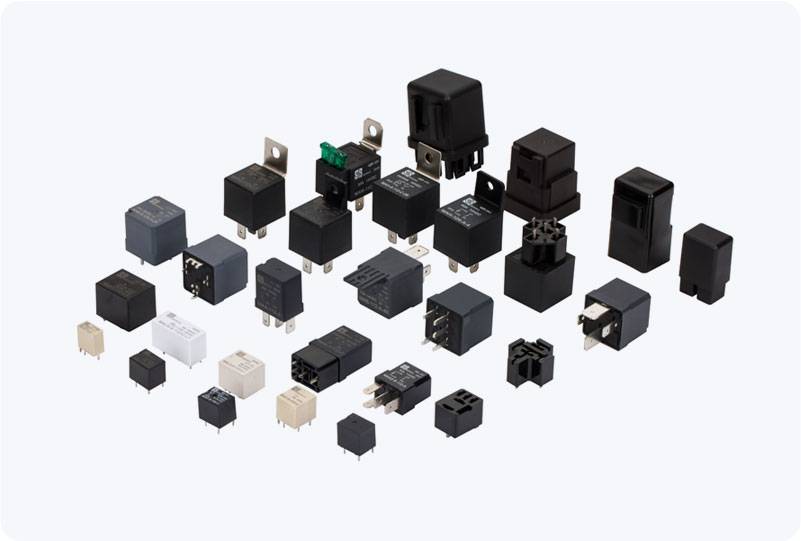
What is a Time Delay Relay? A Time Delay Relay is an electromechanical switch that activates or deactivates a circuit after a pre-set delay. Unlike conventional relays, which operate instantly when a signal is received, Time Delay Relays add a time component to the switching process. This delay can range from milliseconds to several minutes, depending on the specific needs of the system. The delay allows systems to manage timing functions more effectively, avoiding issues like equipment wear, short cycling, or power surges. Time Delay Relays are commonly used when a delay between the initiation of an event and its execution is needed. For example, they can delay the start of a motor, provide time for a circuit to stabilize, or prevent devices from switching on or off too frequently.