A 24V DC Industrial Relay is a key component in industrial automation systems, designed to control high-power electrical devices using a low-voltage DC signal. This type of relay, specifically utilizing a 24V DC control voltage, plays an important role in various industrial applications, ensuring the safe and efficient operation of machinery, equipment, and other devices. In this article, we will delve into the features, working principles, and common applications of 24V DC industrial relays, highlighting why they are indispensable in modern industrial environments.
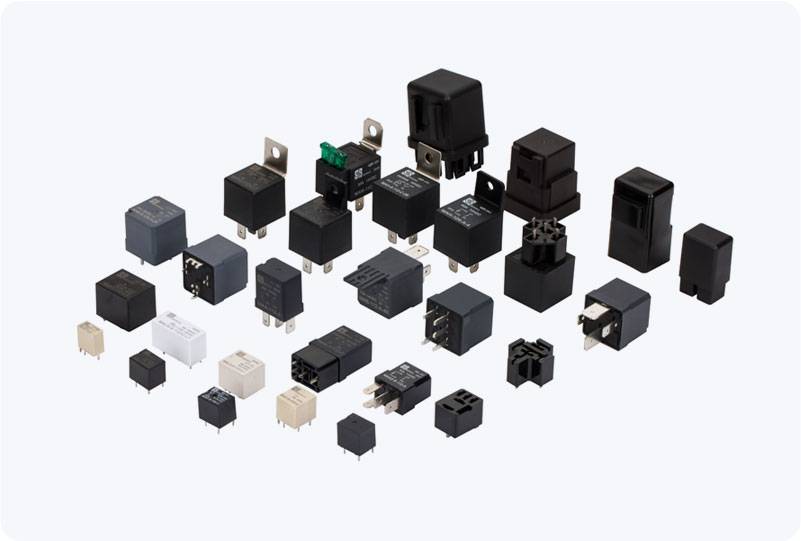
What is a 24V DC Industrial Relay? A 24V DC industrial relay is an electrically operated switch that uses a 24V DC signal to control the opening and closing of contacts in an electrical circuit. The relay contains an electromagnet (or coil) that, when energized, generates a magnetic field. This magnetic field attracts a movable armature, causing the relay’s contacts to either open or close. By controlling the flow of current to other parts of a circuit, the relay serves as a mechanism to isolate sensitive control circuits from higher power systems. Relays are essential in industrial settings, as they allow low-voltage signals (such as those from programmable logic controllers, sensors, or microcontrollers) to control high-power devices like motors, heating elements, or large electrical switches. The 24V DC industrial relay specifically operates using a 24V direct current (DC) input, making it a popular choice in many industrial systems due to its balance between power consumption and effective control capabilities.