A 24VDC Power Relay is a crucial electrical component used in automation and control systems for switching and controlling various devices. It operates on a 24-volt direct current (DC) supply and is widely used in industries like manufacturing, automotive, and electronics. In this article, we’ll explore the working principle, applications, advantages, and key considerations when selecting a 24VDC power relay.
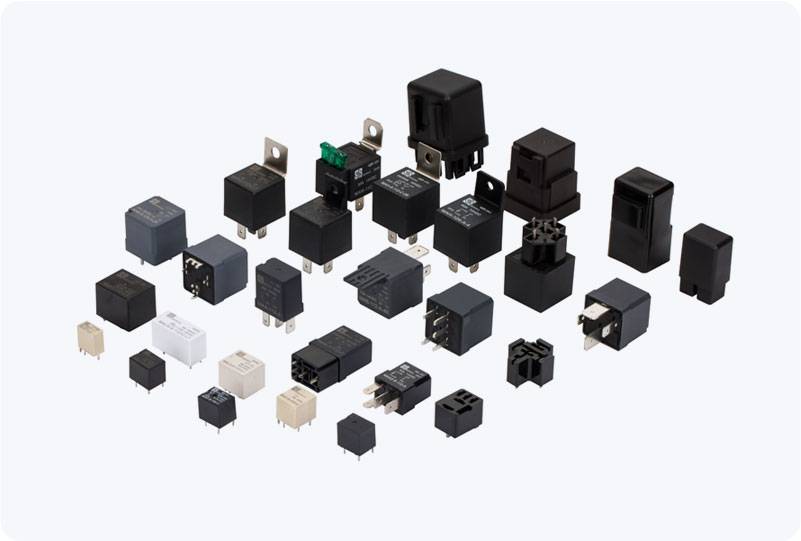
Working Principle of 24VDC Power Relay A power relay is an electromechanical switch that uses a coil to create a magnetic field when electrical current is applied. In the case of a 24VDC power relay, a 24-volt DC current energizes the relay coil, which generates a magnetic field that pulls or pushes the relay contacts to either open or close a circuit. Relays typically feature two types of contacts: Normally Open (NO) Contacts: These contacts remain open when the relay is not energized and close when the relay is activated. Normally Closed (NC) Contacts: These contacts stay closed when the relay is unpowered and open when the relay coil is energized.