The automotive industry is undergoing a transformative shift towards electrification, with electric vehicles (EVs) and hybrid electric vehicles (HEVs) leading the way. A critical component facilitating this evolution is the 48V automotive relay. With the increasing demand for higher efficiency and performance, the 48V system offers an optimal solution for a variety of automotive applications. This article explores the significance, features, applications, and considerations associated with 48V automotive relays for electric vehicles.
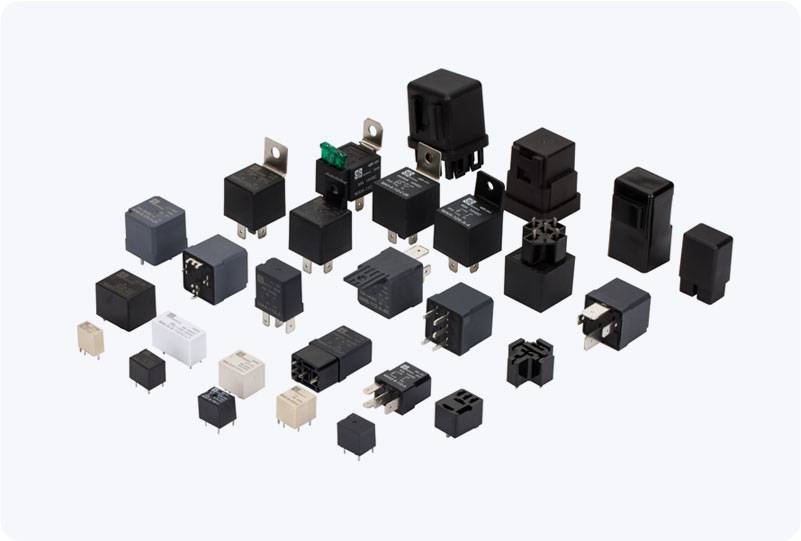
The Significance of 48V Systems Traditional automotive electrical systems operating at 12V have served the industry well for decades; however, as vehicle technology evolves, the limitations of the 12V architecture become apparent. The introduction of 48V systems aims to bridge the gap between conventional internal combustion engines and fully electric drivetrains. It allows for higher power delivery while maintaining a reasonable weight and size for components. The 48V architecture has emerged as the standard for mild hybrid vehicles, which utilize electric power to enhance efficiency without completely eliminating the gasoline engine. By integrating a 48V system, manufacturers can reduce emissions, improve fuel economy, and increase overall vehicle performance.