AC Solenoid Valves are critical components in various industrial and commercial systems, responsible for controlling the flow of liquids and gases. These electrically operated valves utilize the principle of electromagnetism to open or close pathways for fluid movement. This article delves into the working mechanism of AC solenoid valves, their applications across diverse industries, and the advantages they bring to fluid control systems.
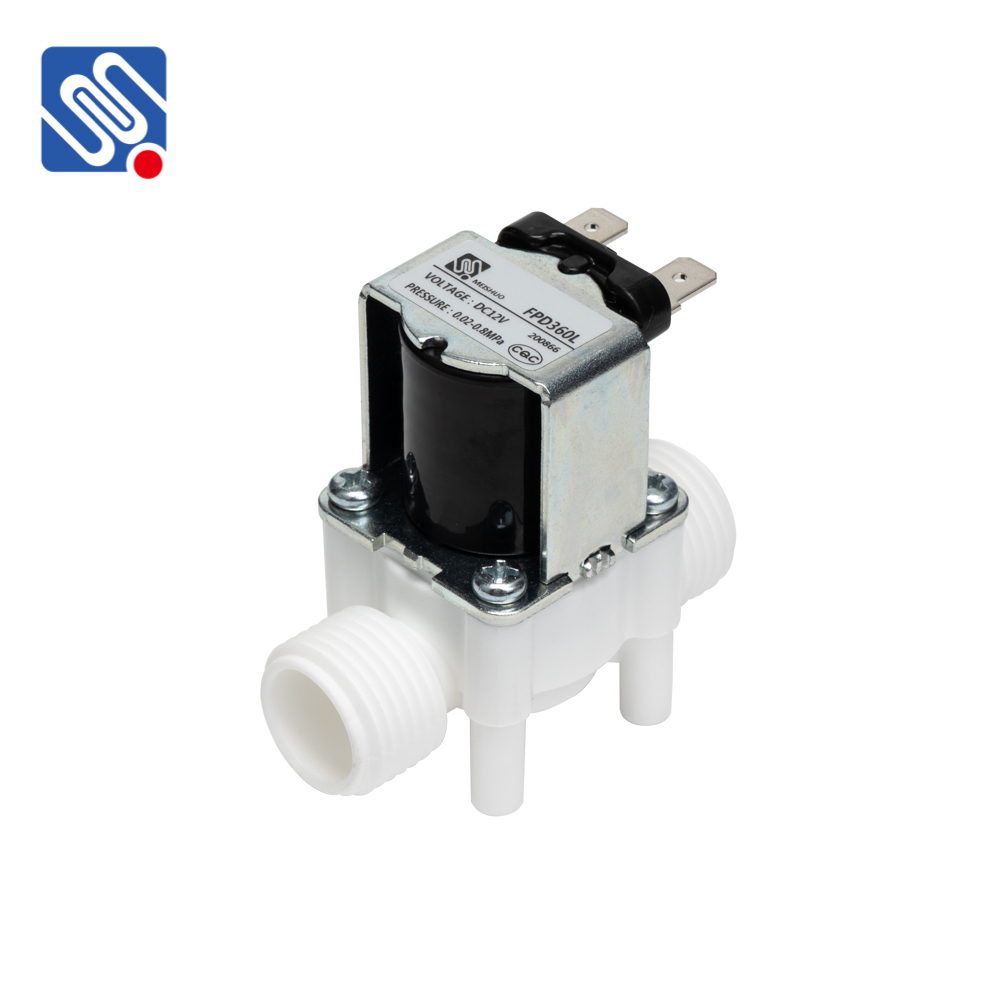
Working Principle At the core of an AC solenoid valve is the solenoid, which comprises a coil of wire through which electrical current flows. When AC voltage is applied to the solenoid, it creates a magnetic field that pulls a plunger or armature towards it, hence opening the valve. This allows fluid or gas to flow through the valve. Once the current is switched off, the magnetic field dissipates, and a spring mechanism or gravity returns the plunger to its original position, thereby closing the valve. There are various designs of AC solenoid valves, including normally closed (NC) and normally open (NO) models. A normally closed valve remains shut until actuated, while a normally open valve starts in the open position and requires electrical input to close. The choice between these two types depends on the specific application requirements.