Automotive relay plays a vital role in modern vehicles, forming the backbone of the electrical systems that power everything from lights to the engine start-up. In simple terms, an automotive relay is an electrical switch used to control high-current devices with low-current signals. These relays help ensure that electrical components function efficiently and safely, while also providing isolation between the control circuit and the load circuit. In this article, we will explore the working principles, applications, and importance of automotive relays in today’s vehicles.
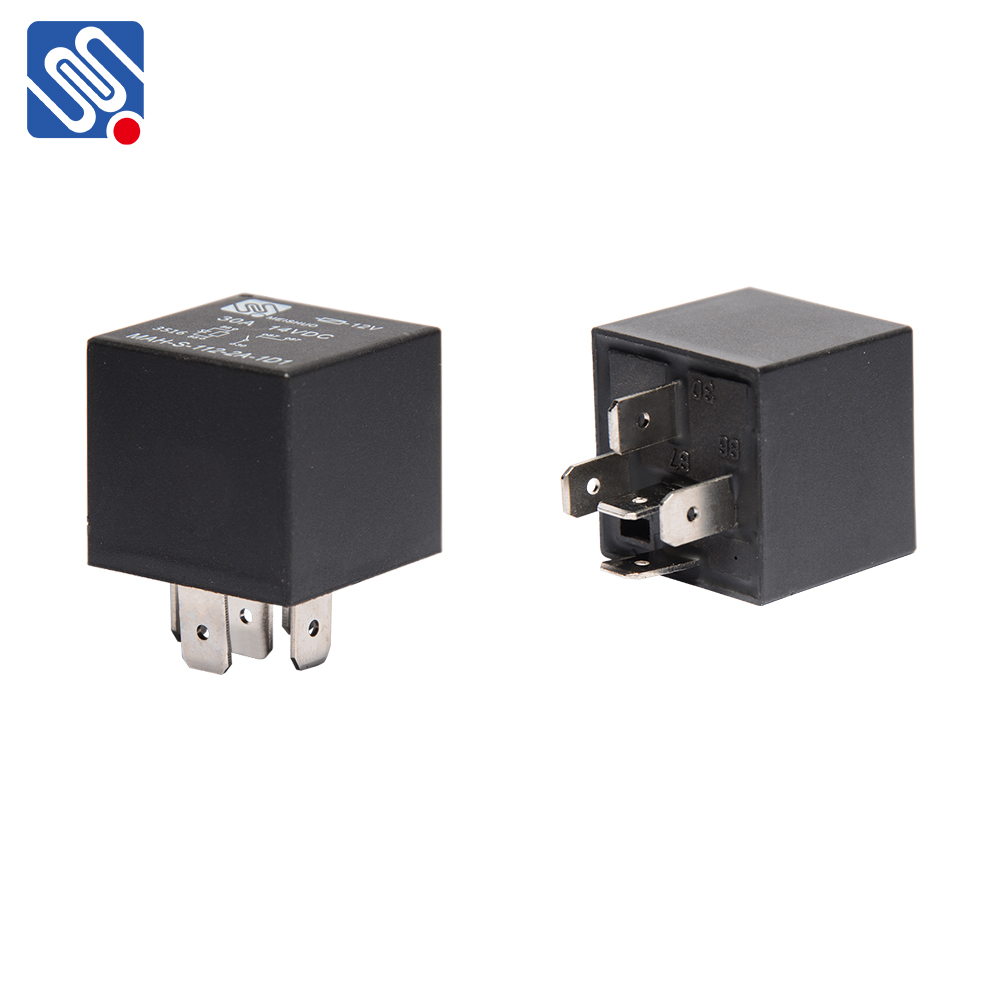
What is an Automotive Relay? An automotive relay is a compact, electrically operated switch that uses a small current to control a much larger current. It consists of an electromagnet, a set of contacts, and a spring mechanism. When the control circuit sends an electrical signal to the electromagnet, the resulting magnetic field moves a mechanical arm that closes or opens the contacts, completing or interrupting the current flow. This allows the relay to control the operation of high-power devices in the vehicle without subjecting sensitive components to heavy electrical loads. The Working Principle of Automotive Relays