Automotive relays are critical components that serve as the backbone of modern vehicle electrical systems. These small, electromechanical switches play a pivotal role in controlling various electrical devices within a car, including headlights, fuel pumps, and air conditioning systems. Their ability to manage high current loads with low control power makes them indispensable in automotive design. This article aims to provide a comprehensive understanding of automotive relays, exploring their functions, types, applications, and significance in vehicle safety and performance.
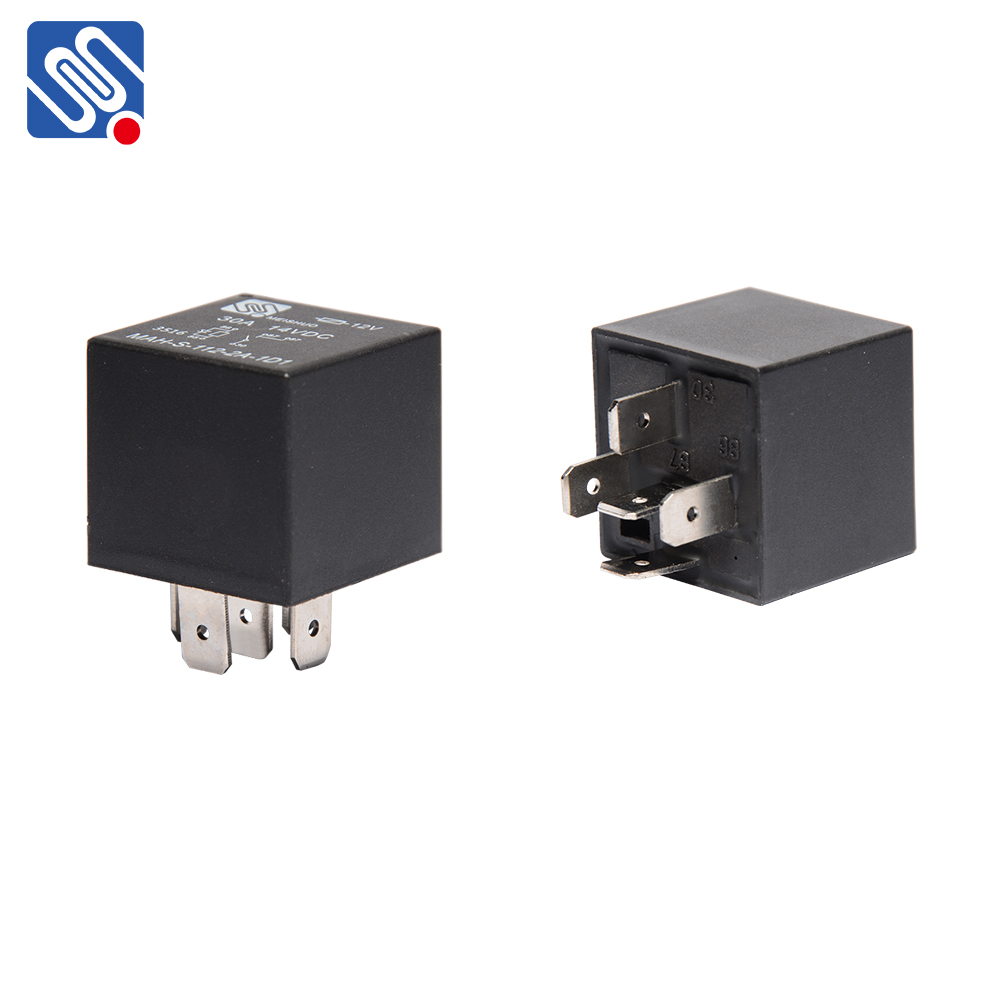
What is an Automotive Relay? At its core, an automotive relay consists of an electromagnet and a switch mechanism. When an electric current passes through the relay’s coil, it creates a magnetic field that moves an armature, closing or opening the relay contacts. This allows the relatively low-power circuit to control a high-power circuit without directly routing high current through vulnerable control switches. The primary benefit of using a relay is to enhance the vehicle’s electrical design while providing safety and efficiency. How Does an Automotive Relay Work? The operation of an automotive relay hinges on simple electromagnetic principles. When a small current flows through the coil, it generates a magnetic field. This magnetic field attracts a movable contact arm (the armature), which, in turn, either closes (or opens) the circuit connected to the relay contacts. For instance, in a common scenario where a driver turns on the headlights, a relay receives a small current from the dashboard switch. The relay engages and allows a larger current to flow directly to the headlights, ensuring they illuminate safely and effectively.