Automotive relays are one of the most vital yet often overlooked components in a vehicle’s electrical system. These small, unassuming devices play a critical role in controlling high-power circuits with low-power control signals. By understanding how automotive relays work and their importance, it becomes clear that they are indispensable to the functionality and safety of modern vehicles.
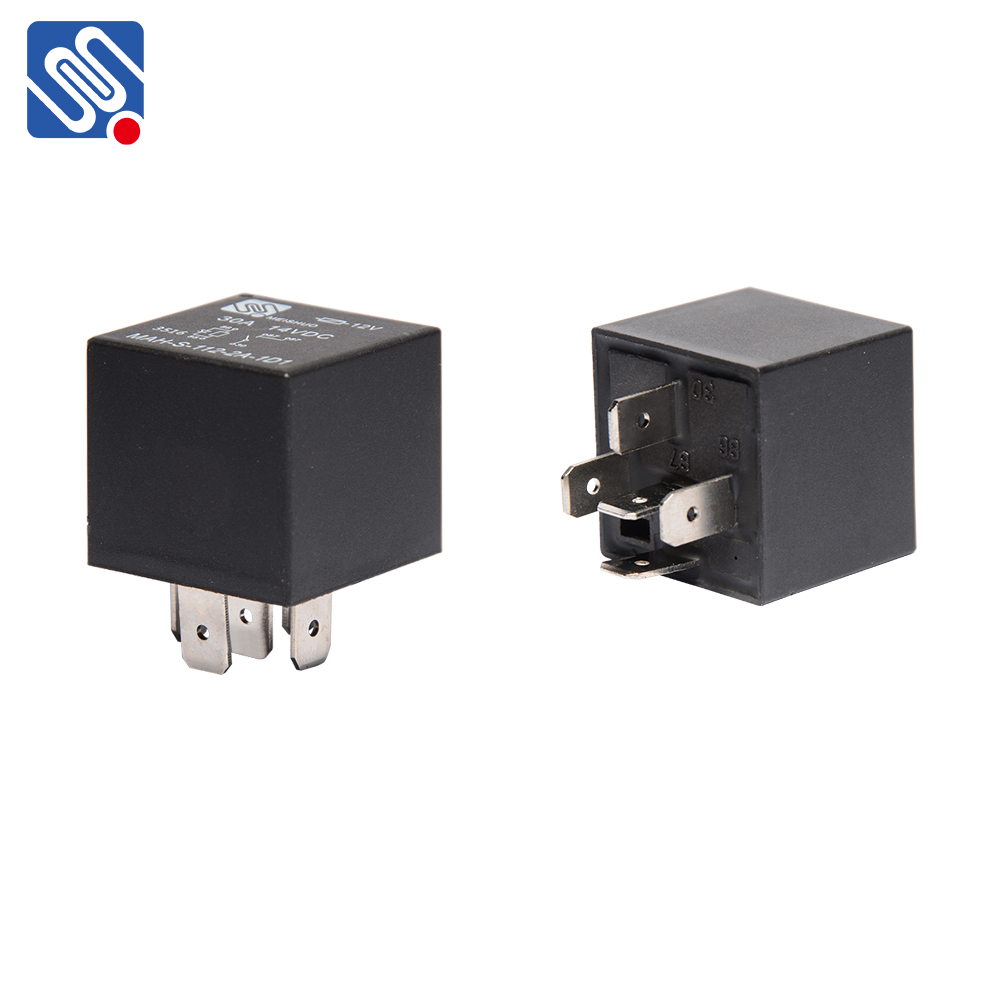
What is an Automotive Relay? An automotive relay is an electromechanical switch that enables a small electrical current to control a larger current. It consists of two main components: the coil and the contact system. When current flows through the coil, it generates a magnetic field that moves the contact points, allowing the larger circuit to close and complete its path. Once the current to the coil is switched off, the contact points return to their original position, breaking the circuit. This simple yet effective mechanism allows automotive relays to manage power-hungry devices such as headlights, air conditioning systems, fuel pumps, and more, without the need for complex wiring or large switches.