Battery Main Positive Relay (BMPR) is a crucial component in the design and operation of modern electrical systems, particularly in electric vehicles (EVs) and other energy storage applications. It serves as a critical interface between the battery and the rest of the electrical circuit, controlling the flow of electrical current based on specific requirements. This article explores the function, importance, and applications of the Battery Main Positive Relay, shedding light on its significance in ensuring the efficiency, safety, and longevity of battery-powered systems.
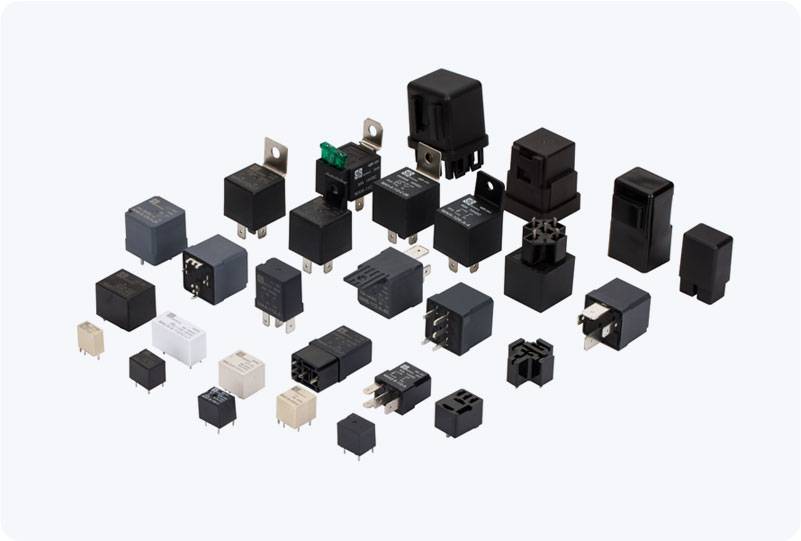
What is a Battery Main Positive Relay? The Battery Main Positive Relay is an electromechanical or solid-state device that controls the connection between the battery’s positive terminal and the rest of the electrical circuit. It acts as a switch, enabling or disabling the flow of current from the battery to the vehicle or device’s electrical systems. When the relay is closed, electrical power from the battery is supplied to the circuit. When opened, the battery is disconnected from the circuit, effectively preventing any current from flowing. This relay is typically controlled by a Battery Management System (BMS), which monitors various parameters like voltage, current, and temperature of the battery. The BMS sends signals to the BMPR to close or open the relay based on the operational conditions of the battery.