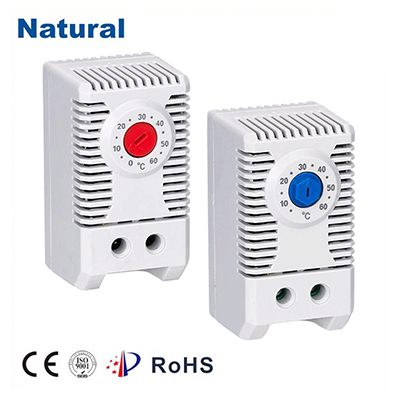
A bimetal thermostat is a simple yet essential component used in various temperature-sensitive applications. Its fundamental operation is based on the thermomechanical properties of two different metals, which expand at different rates when exposed to heat. This article explores the working principle, common applications, and advantages of bimetal thermostats.
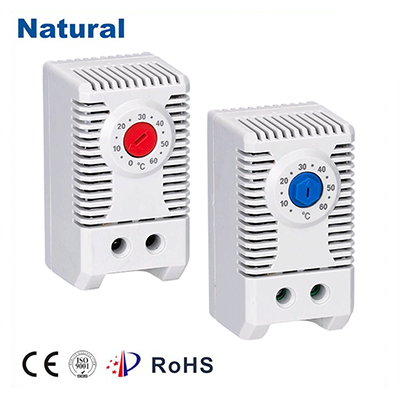
What is a Bimetal Thermostat?
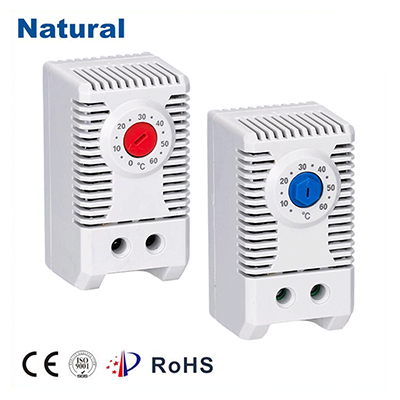
A bimetal thermostat consists of two metal strips, usually with different coefficients of thermal expansion, bonded together. These metals are typically selected because one expands faster than the other when heated. As the temperature rises or falls, the difference in expansion rates causes the bimetallic strip to bend. This bending action can open or close an electrical contact, enabling the thermostat to turn a device on or off depending on the temperature. The core principle behind the bimetal thermostat is the physical property of metals to expand or contract when exposed to heat. The bimetal strip is specifically designed so that when it bends due to temperature changes, it triggers the action required to control the device it’s connected to. This mechanism makes the bimetal thermostat both a reliable and straightforward solution for temperature regulation in various applications.