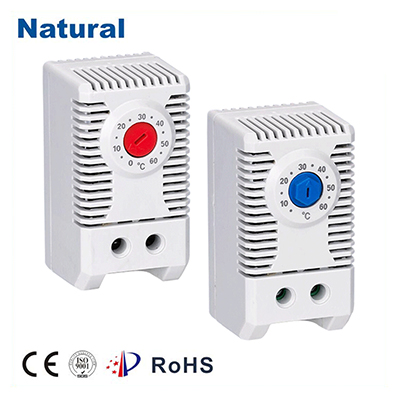
In the world of temperature control and regulation, the bimetal thermostat stands out as a critical component utilized across various applications. From household appliances to industrial machinery, this device plays an essential role in maintaining desired temperature levels. Understanding how a bimetal thermostat works, its advantages, and its applications can provide insights into why it remains a popular choice for temperature regulation.
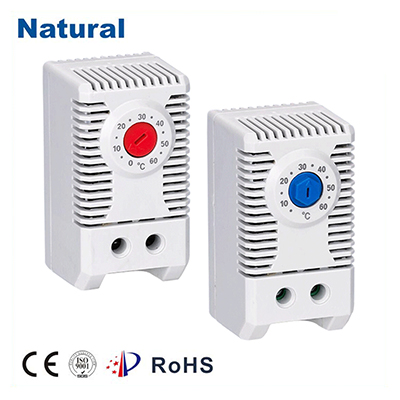
What is a Bimetal Thermostat?
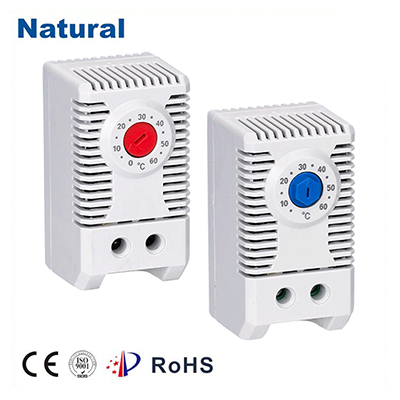
A bimetal thermostat is a type of temperature control device that uses two different metals bonded together. These metals expand at different rates when exposed to heat. The fundamental principle behind this technology is the thermal expansion of materials; as temperature increases, the metal with the higher coefficient of expansion will expand more than the other, causing the bimetallic strip to bend. This bending action is used to open or close an electrical circuit, thus controlling the operation of a heating or cooling device. Typically, the bimetal strip is coiled or curved. When the temperature rises above a preset level, the strip bends to a point where it activates a switch, turning off the heating element or turning on the cooling system. Conversely, when the temperature drops, the strip returns to its original shape, re-engaging the circuit to start heating again. This on-off cycle ensures that the temperature remains within a specified range, making bimetal thermostats an efficient solution for various applications.