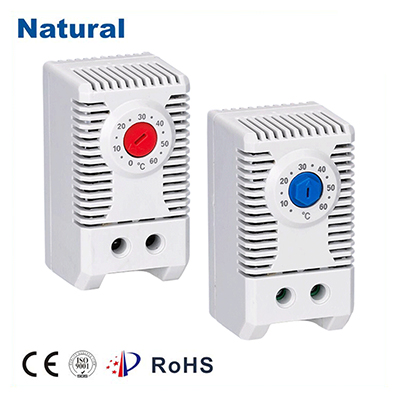
Bimetal thermostats are crucial components in various heating, ventilation, and air conditioning (HVAC) systems, as well as in a multitude of home appliances. Their ability to provide reliable temperature control makes them indispensable in maintaining comfort levels in both residential and industrial settings. This article delves into the workings of bimetal thermostats, their applications, advantages, and why they are an essential part of modern temperature regulation.
Mechanism of Bimetal Thermostats
At the heart of a bimetal thermostat lies the principle of differential thermal expansion. The device consists of two strips of different metals bonded together. These metals have distinct coefficients of expansion, meaning they expand and contract at different rates when subjected to temperature changes. When the temperature rises, the bimetal strip bends in response to the differing expansion rates of the two metals. This bending action can either make or break an electrical connection, depending on the design of the thermostat. In most cases, when the temperature reaches a predefined threshold, the bimetal strip moves to open or close the circuit, activating or deactivating the connected heating or cooling system.