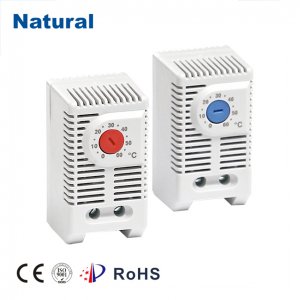
The control bimetal thermostat thermal protector is a critical component used in various electrical and mechanical systems to ensure safety, reliability, and longevity of equipment by regulating temperature. These devices are primarily designed to prevent overheating, which can lead to damage, reduced efficiency, and even hazardous situations like fires. In this article, we will explore the fundamental principles behind control bimetal thermostats, their role as thermal protectors, their applications, and why they are vital in modern technology.

1. What is a Control Bimetal Thermostat Thermal Protector?
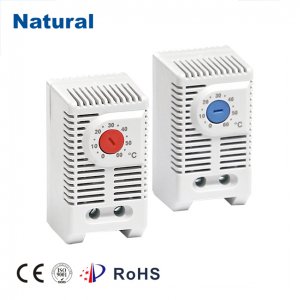
At its core, a control bimetal thermostat uses a bimetallic strip, composed of two different metals with distinct coefficients of expansion. These metals are bonded together and respond differently to temperature fluctuations. When the temperature rises, the metals expand at different rates, causing the strip to bend. This mechanical movement triggers a switch, either opening or closing an electrical circuit, to control the operation of an appliance or device. A thermal protector, on the other hand, is a safety feature built into devices to protect against overheating. When the temperature exceeds a preset limit, the thermal protector disconnects the power supply to the device, preventing potential damage or failure. Many thermal protectors are built using bimetallic components, functioning similarly to thermostats but with a focus on immediate response to overheating situations.