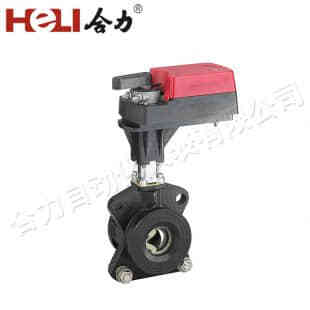
A Damper actuator is an essential component in modern heating, ventilation, and air conditioning (HVAC) systems. It plays a crucial role in regulating air flow, temperature, and humidity within a building, ensuring comfort, energy efficiency, and safety. This article delves into the working principles, types, applications, and benefits of damper actuators, shedding light on their significance in the operation of HVAC systems.
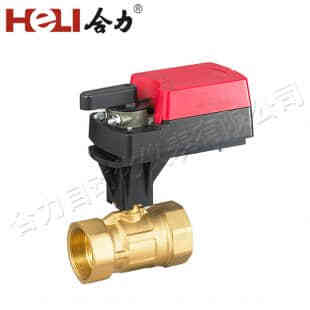
What is a Damper Actuator?
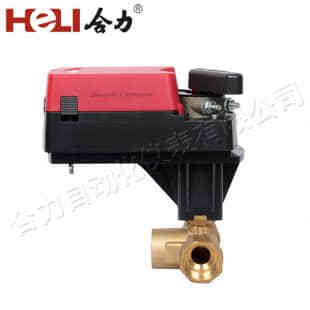
A damper actuator is a device that controls the operation of a damper, which is a movable component in an HVAC duct system. Dampers are typically used to regulate the flow of air, redirect airflow, or isolate certain parts of the system. The damper actuator acts as the mechanical “muscle” that opens or closes these dampers according to signals received from a central control system, such as a thermostat or building management system. The actuator is responsible for adjusting the position of the damper blades, which in turn adjusts the amount of air passing through the ductwork. By controlling the damper’s position, the actuator can maintain the desired temperature, humidity, and air quality in different parts of a building.