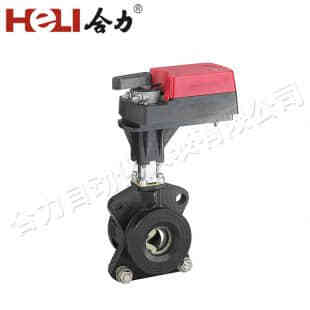
Damper actuators are vital components in modern HVAC (Heating, Ventilation, and Air Conditioning) systems, responsible for controlling the airflow through ducts and ventilation channels. These devices are crucial for maintaining energy efficiency, enhancing indoor comfort, and ensuring the proper functioning of ventilation systems in buildings of all sizes. In this article, we will explore what damper actuators are, their types, applications, and their role in optimizing HVAC performance.
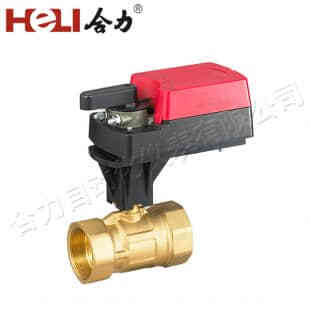
What is a Damper Actuator?
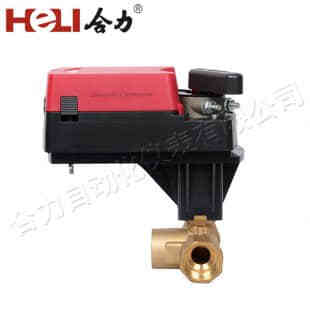
A damper actuator is a device used to control the position of dampers in HVAC systems. Dampers are mechanical components that can open or close to regulate airflow, typically made from metal or composite materials. The actuator itself is the mechanism that drives the damper to either allow or block airflow. By controlling the damper’s position, the actuator helps manage the distribution of air throughout a system, optimizing the temperature and airflow balance. Damper actuators can be powered electrically, pneumatically, or hydraulically, depending on the design and requirements of the system. These actuators are typically controlled by sensors or controllers that monitor temperature, humidity, pressure, or air quality in various parts of a building.