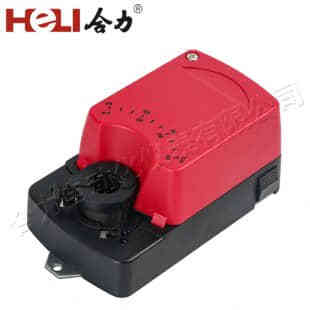
Damper actuators are essential components in modern ventilation, heating, and air conditioning (HVAC) systems, responsible for controlling airflow and ensuring efficient temperature regulation within a building. These devices, which control the position of dampers—mechanisms that regulate the flow of air through ductwork—are crucial for maintaining comfort and energy efficiency. In this article, we will explore what damper actuators are, how they work, and their importance in various applications.
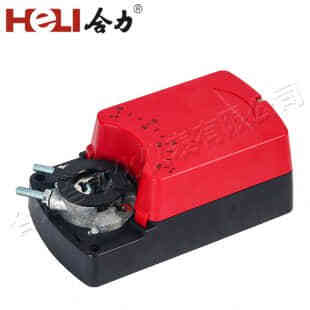
What is a Damper Actuator?
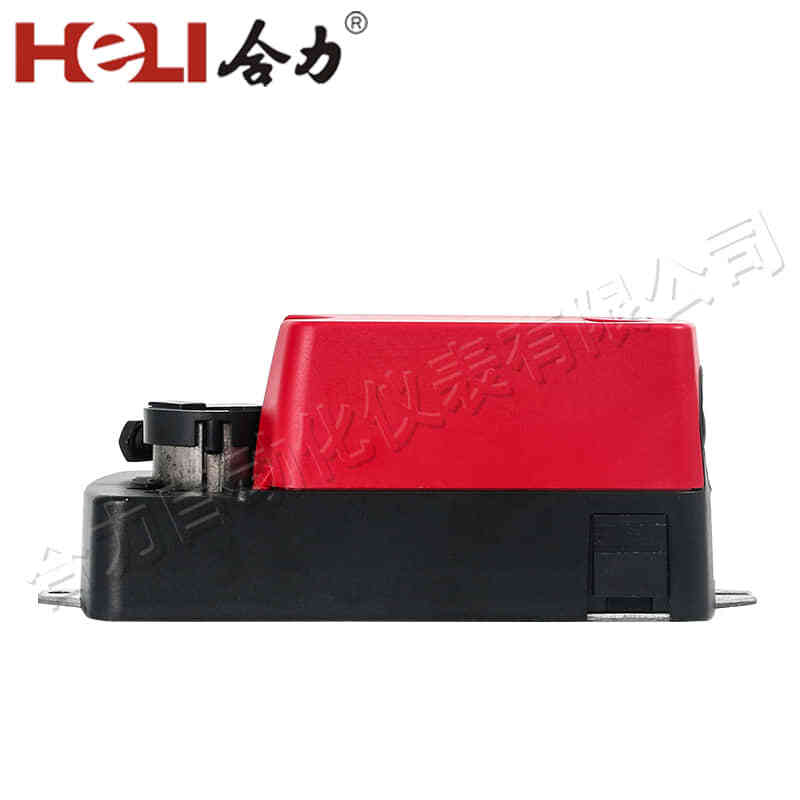
A damper actuator is a device used to control the position of a damper within an HVAC system. Dampers themselves are adjustable blades that either open or close to control the amount of airflow in a duct or vent. The actuator is the mechanism that moves the damper, typically through an electric, pneumatic, or mechanical process. By precisely controlling the damper’s position, the actuator regulates airflow, contributing to the overall performance of the HVAC system. There are three primary types of damper actuators: Electric Damper Actuators: These are the most common in modern HVAC systems. They use electrical signals to control the movement of the damper, driven by an electric motor. The actuator adjusts the damper’s position in response to commands from a thermostat, controller, or automated system.