DC Solenoid Valves are a crucial element in a wide range of applications, from industrial automation to home appliances. These valves control the flow of fluids such as gas or liquid, utilizing the electromagnetic principle to open or close the valve based on an electrical signal. DC solenoid valves offer numerous advantages, including low power consumption, rapid response times, and high precision in fluid control. This article will provide an in-depth look at the working principle, applications, advantages, and potential limitations of DC solenoid valves.
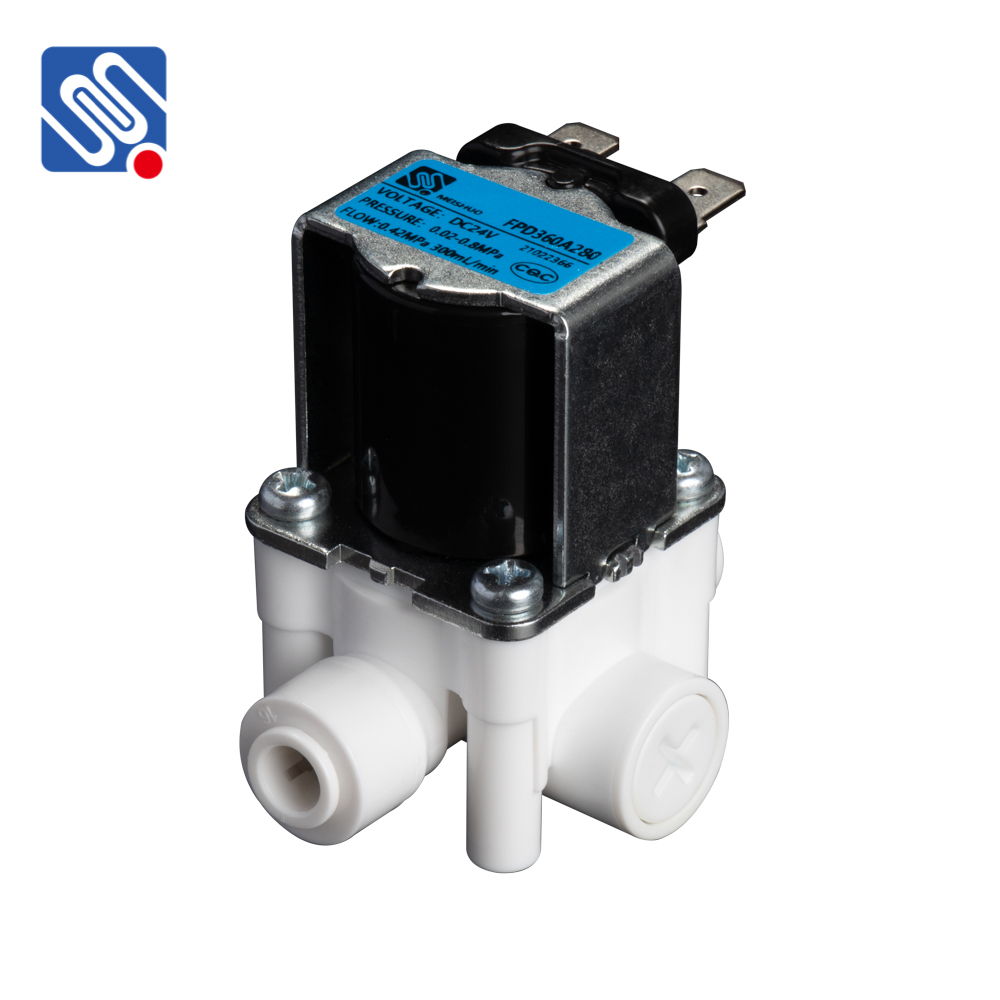
What is a DC Solenoid Valve? A DC Solenoid Valve is an electromechanical device that uses a direct current (DC) electrical current to operate. When current flows through a solenoid (a coil of wire), it creates a magnetic field that actuates a plunger or a valve component, controlling the flow of a fluid. The valve can be designed as either a normally open (NO) or normally closed (NC) type, which means that it can either allow the fluid to pass through when not powered or block the flow until powered. Working Principle The basic operation of a DC solenoid valve involves a simple electromagnetic mechanism. The valve typically consists of several components: