A DC Solenoid Valve is a vital component in numerous systems requiring the control of the flow of liquids or gases. It utilizes electromagnetic force to switch the valve on or off, making it an essential tool in a variety of industries. The ability to control fluid dynamics with high precision and low power consumption makes the DC Solenoid Valve a popular choice in modern automation and mechanical systems.
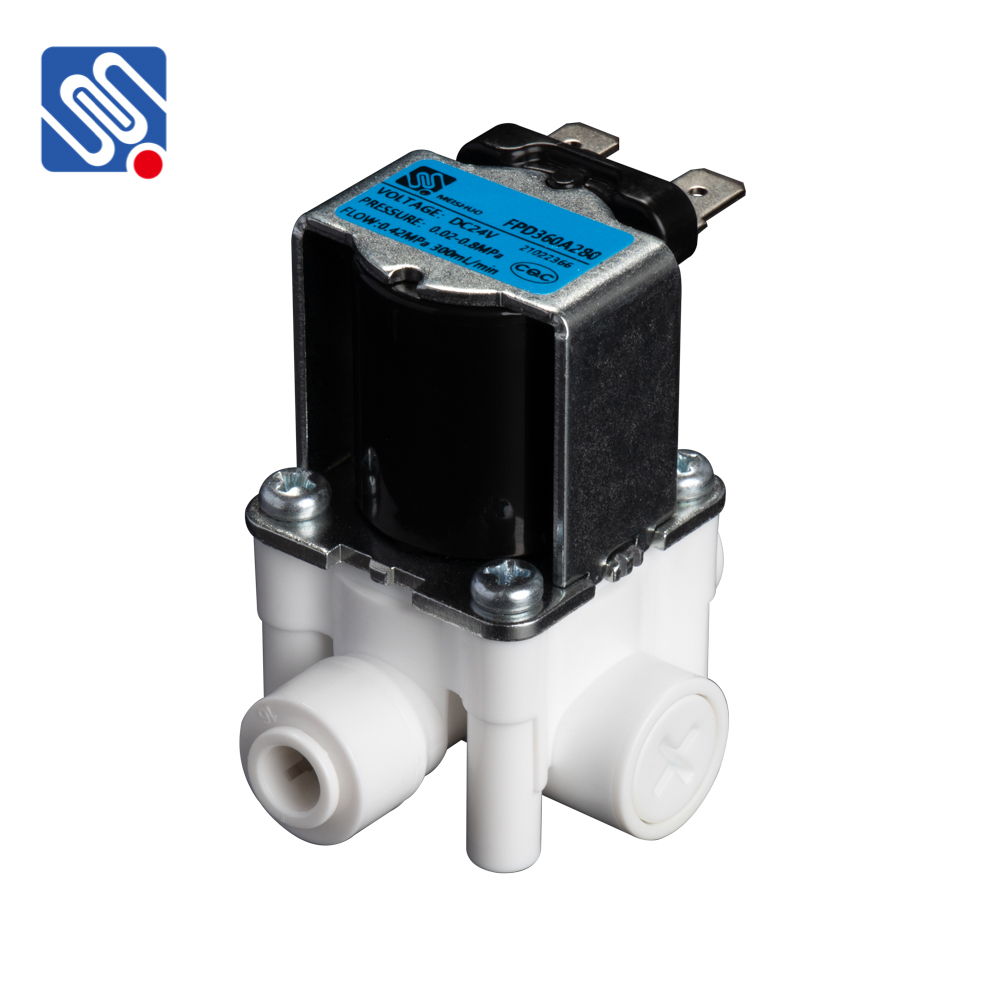
Working Principle At the core of a DC Solenoid Valve is an electromagnetic coil, which, when energized by direct current (DC), generates a magnetic field. This magnetic force is used to move a plunger or valve element, which opens or closes the valve to control the flow of the fluid. The movement of the valve can either allow the passage of fluid or block it entirely. In the absence of current, a spring mechanism typically returns the valve to its original position, ensuring a fail-safe operation. The simple yet effective design of the solenoid valve allows it to operate with very few mechanical parts. This results in greater reliability, faster response times, and minimal wear and tear, making it ideal for applications where precision and durability are key.