A DC solenoid valve is a crucial component in modern automation and fluid control systems. These devices are widely used in various industries, including manufacturing, healthcare, water treatment, and HVAC systems, for their ability to efficiently control the flow of liquids and gases. This article delves into the working principle, types, applications, and benefits of DC solenoid valves, providing a comprehensive understanding of their role in automation and fluid regulation.
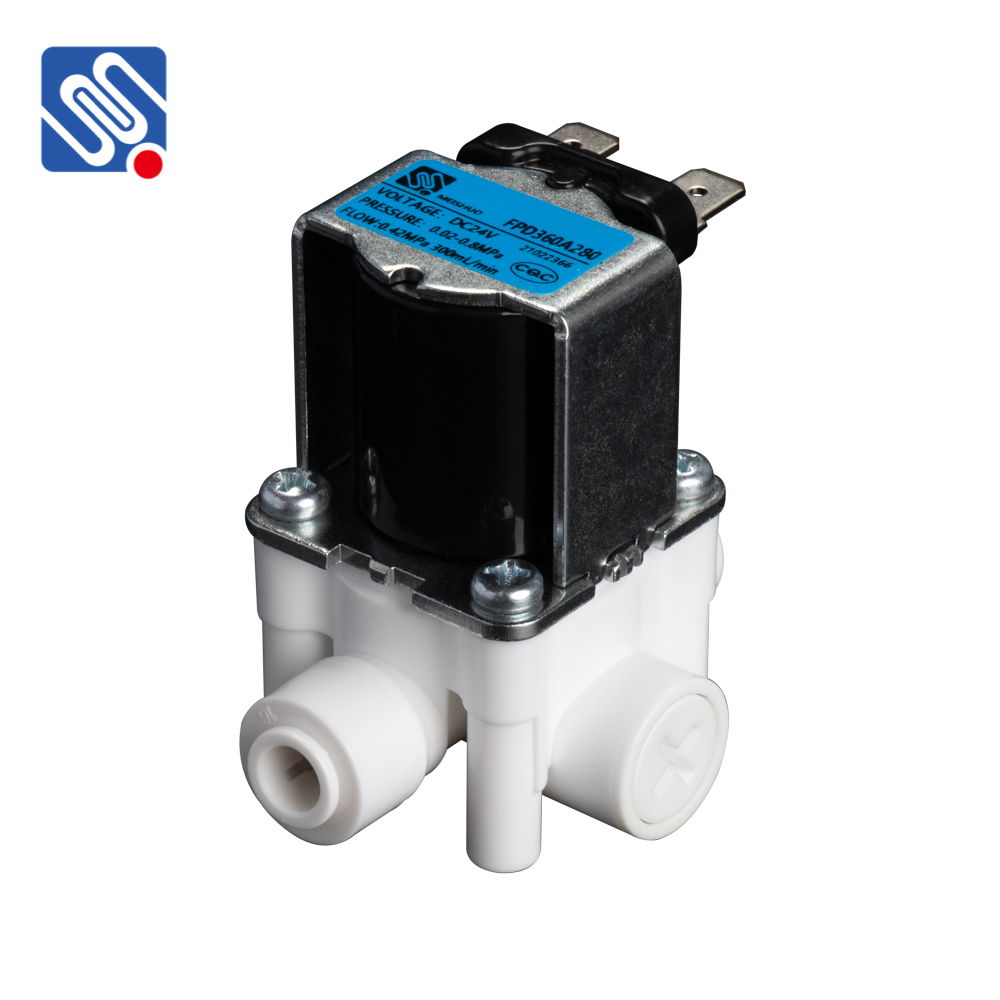
Working Principle of DC Solenoid Valves A DC solenoid valve operates using direct current (DC) electricity to generate a magnetic field that moves a valve’s internal components. At the heart of this mechanism is an electromagnetic coil, which, when powered by a DC current, creates a magnetic force. This magnetic field either opens or closes the valve, controlling the flow of the fluid or gas through the system. In a typical configuration, the valve consists of several components: a solenoid coil, a plunger or valve core, a spring, and the valve body. When current flows through the solenoid coil, it magnetizes the coil, attracting the plunger and causing it to move. Depending on the design of the valve, the movement of the plunger either opens or closes the valve, regulating the flow of the fluid or gas. The spring ensures that, in the absence of current, the valve returns to its default position—either open or closed.