A Direct Acting Solenoid Valve (DASV) is a fundamental component used in various fluid control systems. As one of the simplest and most effective types of solenoid valves, it offers a reliable solution for managing the flow of gases, liquids, and even granular materials. These valves are driven solely by the magnetic force generated by an electromagnet, which is essential for controlling the flow of media in a range of industrial and commercial applications. In this article, we explore the operating principles, advantages, limitations, and common applications of Direct Acting Solenoid Valves.
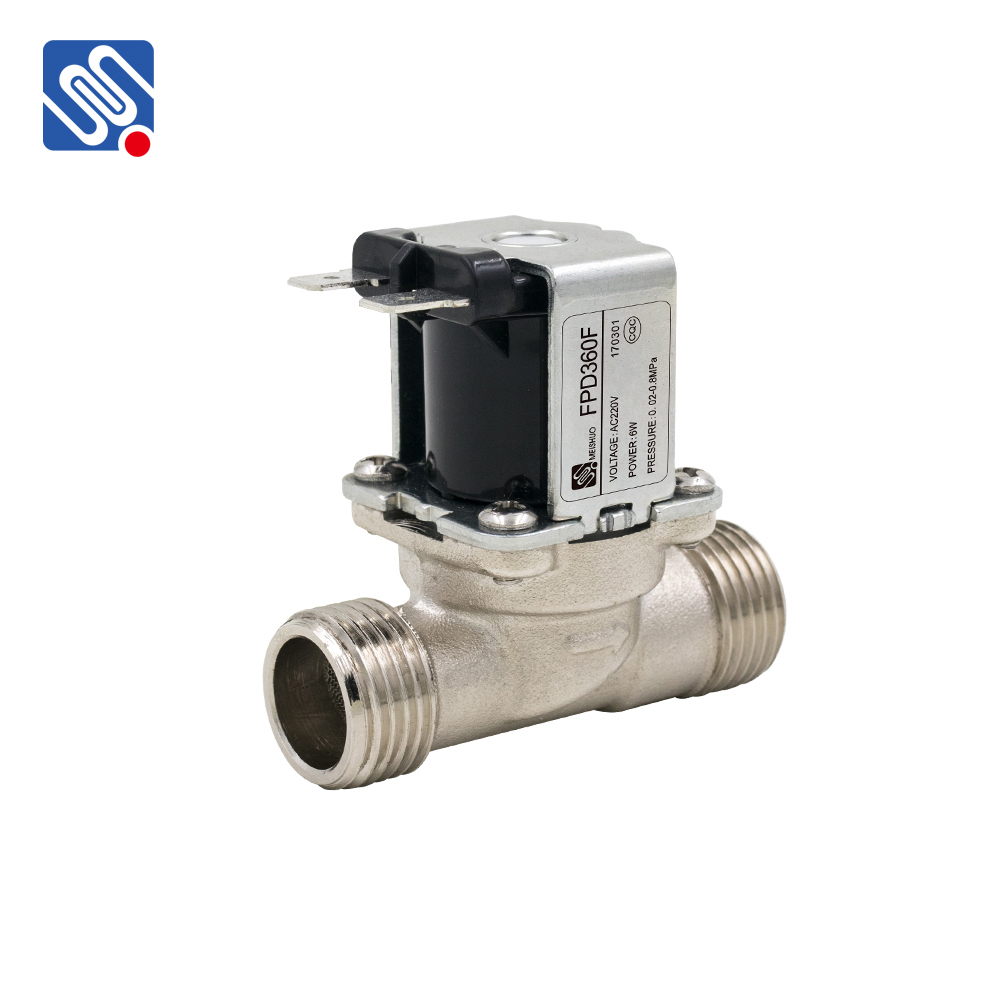
Operating Principles of Direct Acting Solenoid Valve The Direct Acting Solenoid Valve works based on a simple principle of magnetism. When an electrical current passes through the solenoid (a coil of wire), it generates a magnetic field. This magnetic field acts upon a plunger or armature that is typically made of a ferromagnetic material, causing it to either open or close the valve. The movement of the plunger directly controls the flow of fluid within the system, without requiring any external pressure. In a typical DASV, when the solenoid is energized, the magnetic force pulls the plunger into the valve seat, allowing fluid to pass through. When the solenoid is de-energized, the spring or gravity returns the plunger to its resting position, closing the valve and halting the flow of fluid. This mechanism is reliable, straightforward, and effective for systems that require fast, precise control over small to medium-sized fluid flows.