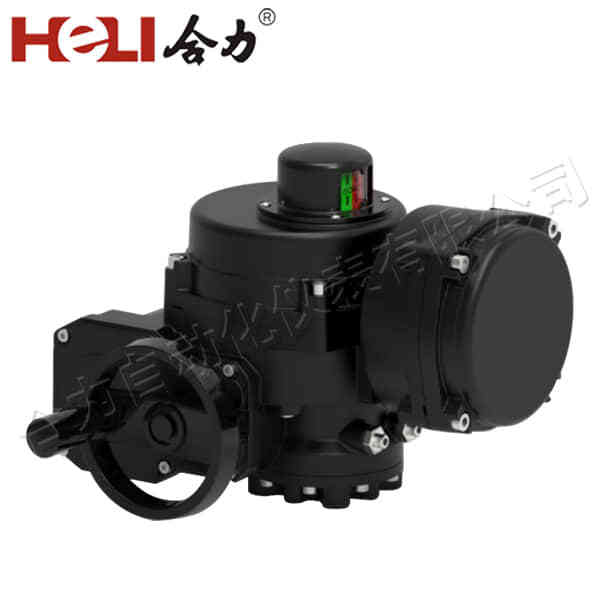
Electric actuator valves are an essential component in modern industrial automation systems. These valves combine a valve body with an electric actuator to control the flow of liquids, gases, and other substances within pipelines and systems. By responding to electrical signals, these valves provide precise control over fluid or gas flow, pressure, and temperature, making them indispensable in various industries. This article explores the working principle, applications, benefits, and considerations when choosing an electric actuator valve.
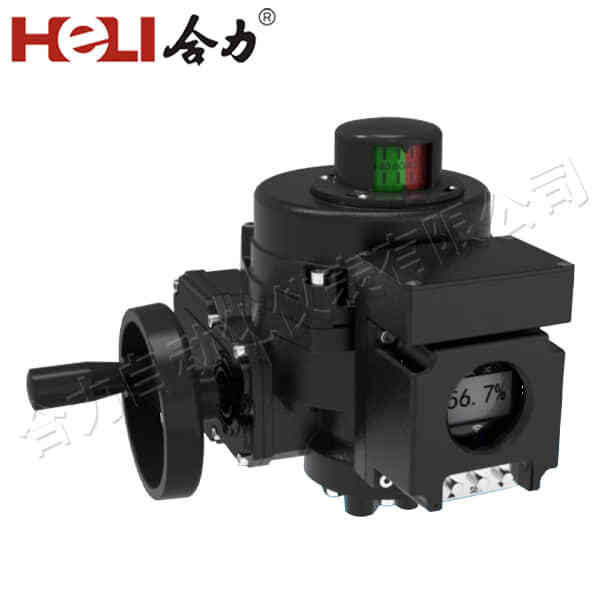
Working Principle of Electric Actuator Valves
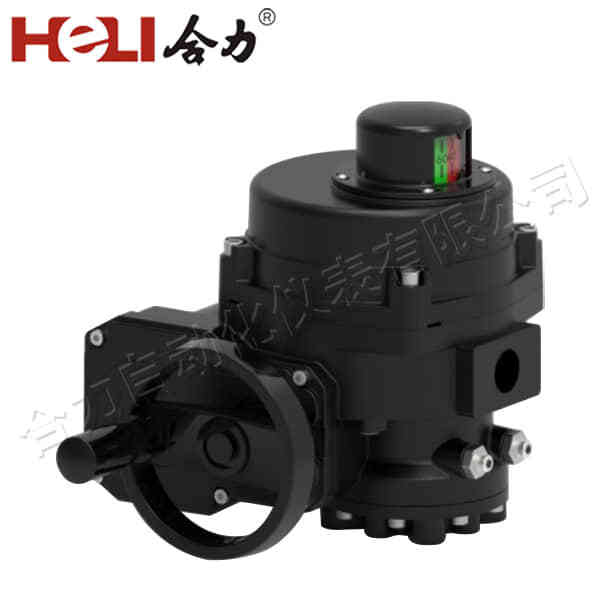
An electric actuator valve functions by using an electric motor to drive the valve’s mechanism, typically a stem or a rotor. The electric actuator receives control signals from a centralized control system, such as a PLC (Programmable Logic Controller) or DCS (Distributed Control System), and adjusts the valve’s position accordingly. This allows for accurate regulation of fluid flow, enabling automated control of industrial processes. The electric actuator typically operates with either an on/off (binary) signal or a modulating signal, such as 4-20mA, which adjusts the valve’s opening gradually to control flow rate precisely. When receiving the on/off signal, the actuator either fully opens or fully closes the valve. With a modulating signal, the actuator makes continuous adjustments to the valve position, which is particularly useful for regulating variables like pressure or temperature in a system.