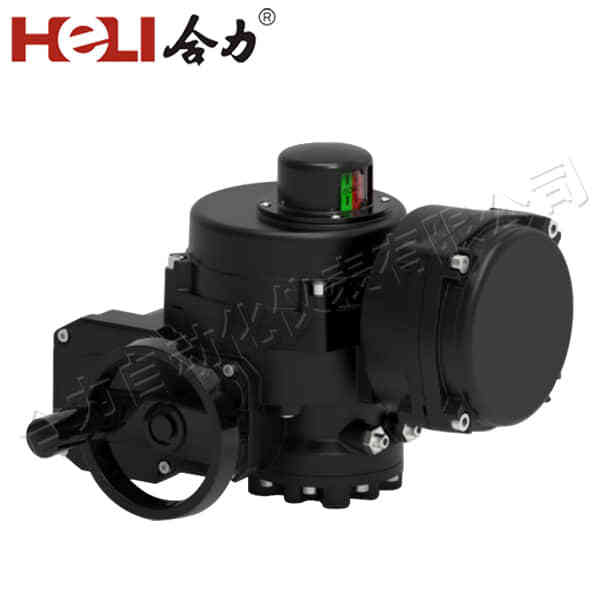
Electric actuator valves are integral components in many industrial and commercial systems, providing efficient and precise control over fluid and gas flow. As industries continue to embrace automation, electric actuator valves play a key role in improving the performance, reliability, and safety of various processes. This article explores the fundamentals of electric actuator valves, their applications, and the benefits they offer in modern automation systems.
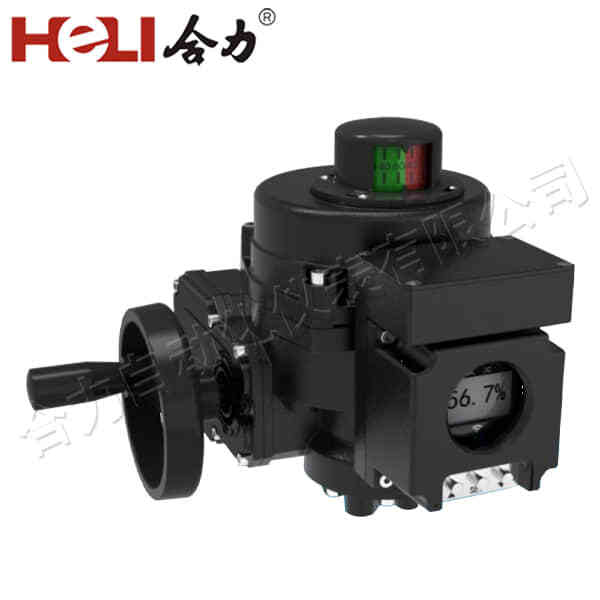
What is an Electric Actuator Valve?
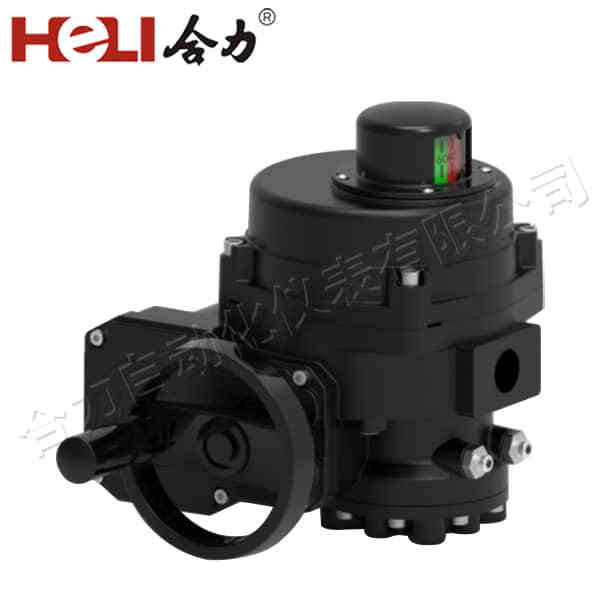
An electric actuator valve is a device that uses an electric motor to open or close a valve in a piping system. The electric actuator receives control signals from an external system, such as a Programmable Logic Controller (PLC) or a Distributed Control System (DCS), to control the valve’s position. These valves are available in a wide range of configurations, including ball valves, butterfly valves, and globe valves, each designed to suit specific applications and control requirements. The electric actuator itself consists of an electric motor, a gear mechanism, and a feedback system. The motor drives the actuator’s movement, while the gear mechanism translates this motion into the rotational or linear movement necessary to operate the valve. The feedback system provides real-time data about the valve’s position, allowing for precise control and monitoring.