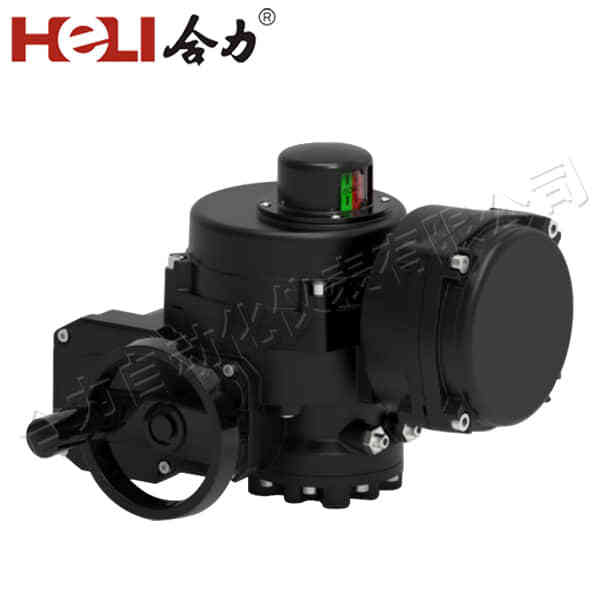
Electric actuator valves are integral components in today’s industrial automation landscape. These devices enable the precise control of fluid flow in various applications, ranging from water treatment and chemical processing to HVAC systems and energy generation. By utilizing electrical energy to operate valve mechanisms, electric actuator valves offer numerous advantages over traditional pneumatic and hydraulic systems. This article will delve into the working principles, types, advantages, applications, and selection criteria of electric actuator valves.
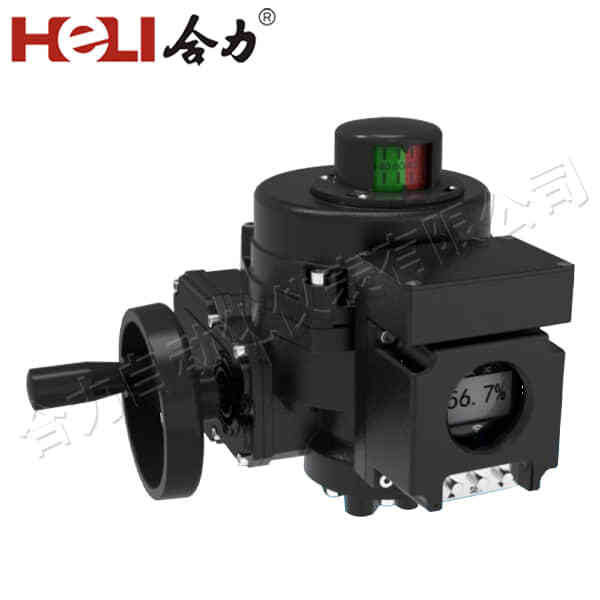
Working Principles
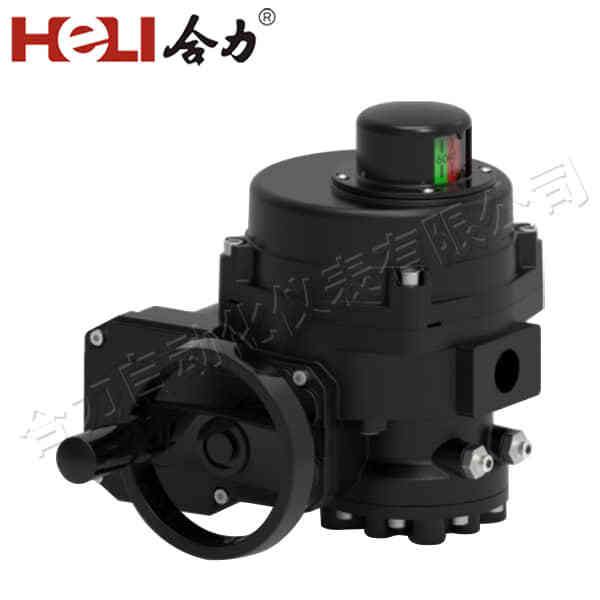
Electric actuator valves operate through a straightforward mechanism where an electric motor transforms electrical energy into mechanical motion. The motor is connected to the valve through a linkage that allows for precise movements, thereby controlling the opening and closing of the valve. The actuation can be managed through various control signals, which can either be binary (on/off) or analog (varying positions), depending on the operational requirements of the system. The primary components of an electric actuator include the motor, gearbox, and various sensors. The motor is responsible for supplying the necessary torque, while the gearbox modifies the motor’s output to provide the required force for moving the valve. Sensors such as position feedback devices help ensure accurate control by feeding information back to the control system.