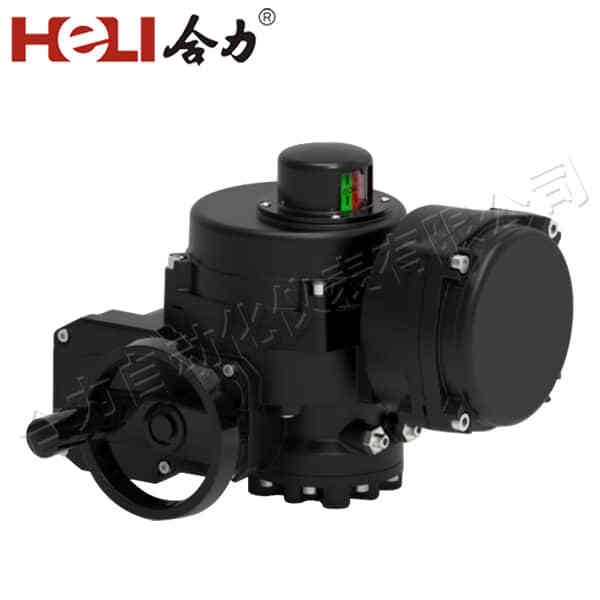
Electric actuators are integral to modern automation systems, providing efficient, precise, and reliable solutions across various industries. These devices convert electrical energy into mechanical motion, enabling automated processes to occur without direct human intervention. In this article, we will explore the basic functionality of electric actuators, the different types available, their applications, and the advantages they offer.
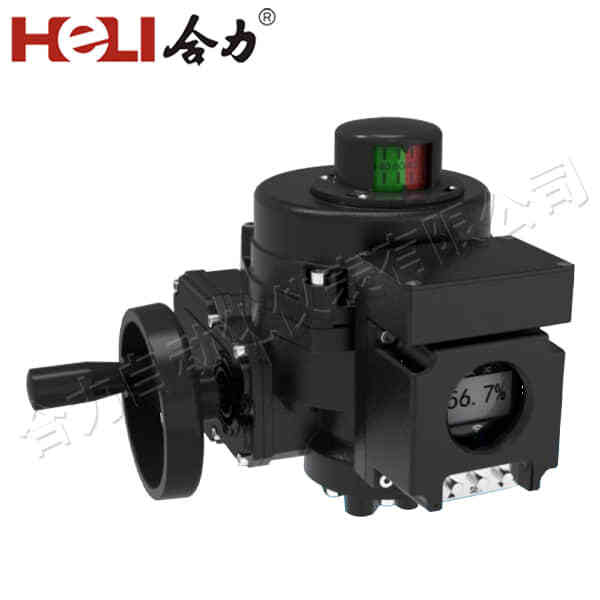
What is an Electric Actuator?
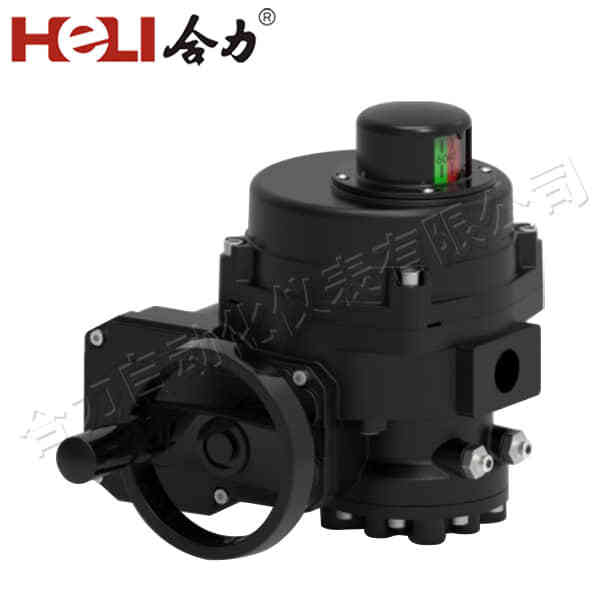
An electric actuator is a device that uses an electric motor to produce mechanical movement. This movement can be either linear or rotary, depending on the actuator’s design and application. The fundamental function of an electric actuator is to move or control a mechanism or system. It receives an electrical input, typically in the form of a voltage or current, and converts this energy into motion. Electric actuators can range from simple devices used in household appliances to complex machines employed in industrial automation. Key Components of Electric Actuators An electric actuator is made up of several key components that work together to ensure smooth operation: