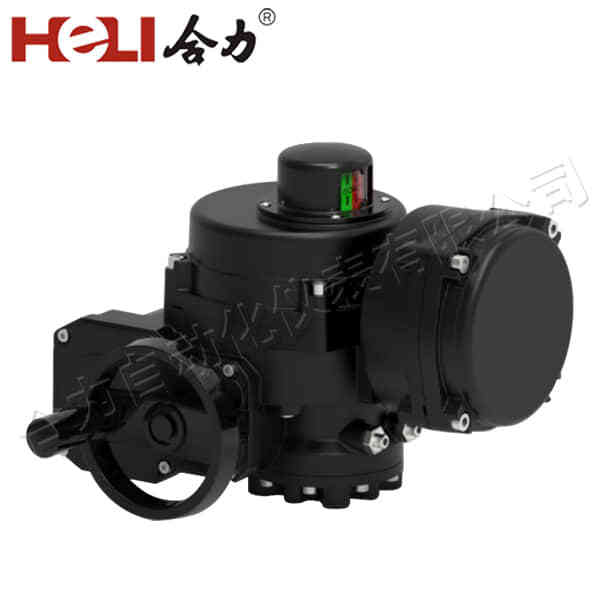
Electric actuators have become an indispensable part of modern automation systems across various industries. These devices, which convert electrical energy into mechanical motion, are used to control machinery and processes with high precision and efficiency. From industrial machinery to robotics and smart building systems, electric actuators are at the heart of a wide range of applications. This article explores the types, working principles, applications, and advantages of electric actuators.
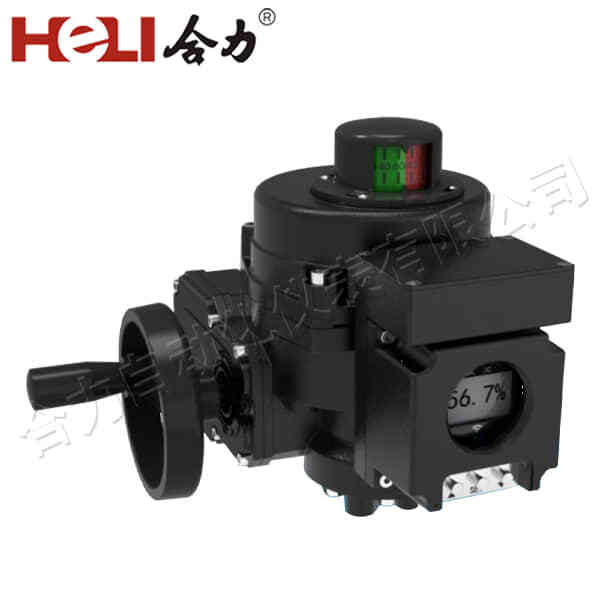
What is an Electric Actuator?
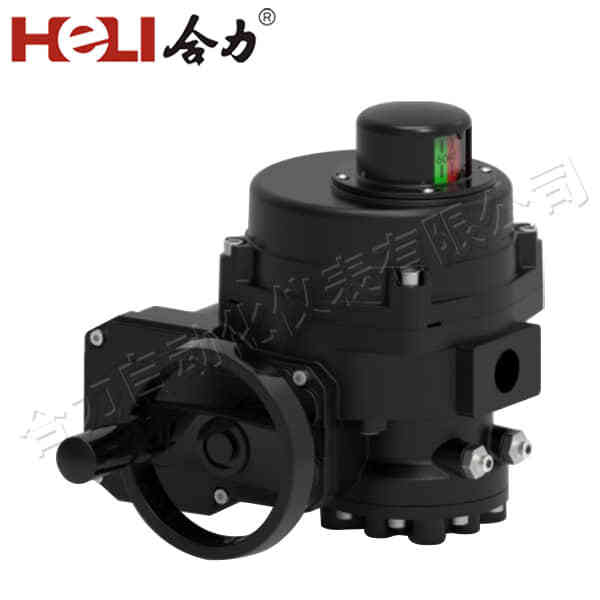
An electric actuator is a device that uses electrical energy to produce motion. The motion can be linear (straight-line) or rotary (circular), depending on the type of actuator. Electric actuators are widely used in applications where precise movement control is required, such as in valve control systems, robotic arms, and adjustable positioning devices. Electric actuators generally consist of an electric motor, a reduction gearbox, and a mechanical linkage that converts the rotational movement of the motor into the desired output motion. In some advanced systems, actuators may include feedback sensors to provide precise control over the position, speed, and force exerted.