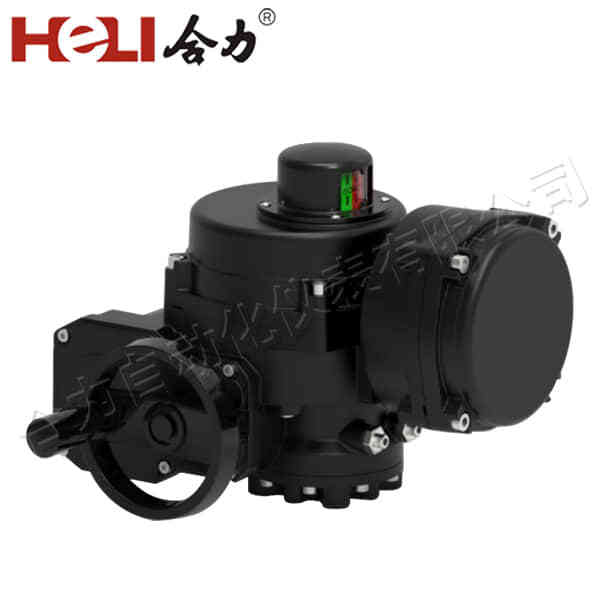
Electric actuators are an integral part of modern automation systems, playing a crucial role in various industries. These devices convert electrical energy into mechanical motion, enabling precise control of machinery, equipment, and processes. From industrial manufacturing to robotics and even household appliances, electric actuators have become indispensable in providing efficient, reliable, and accurate motion control. In this article, we will explore the fundamentals of electric actuators, their working principles, types, applications, and advantages.
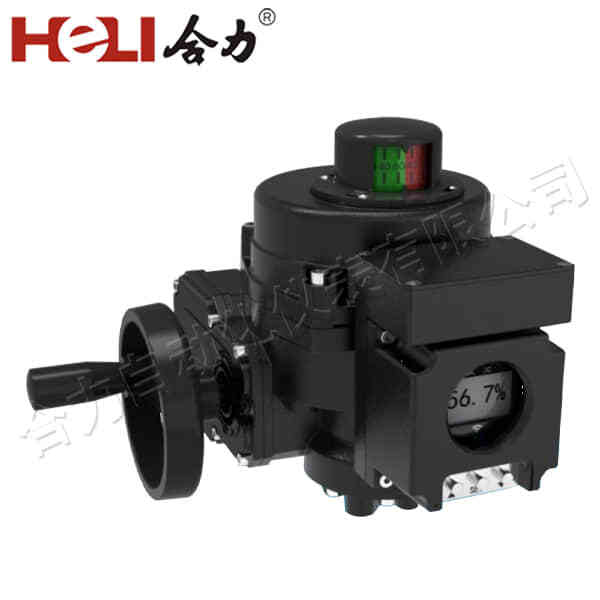
What is an Electric Actuator?
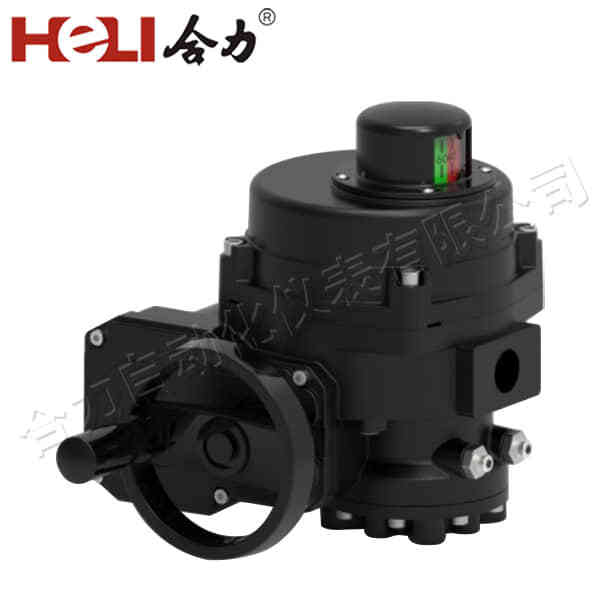
An electric actuator is a device that uses electric energy to produce motion. It typically converts electrical signals into mechanical movement, often in the form of rotary or linear motion. Unlike pneumatic or hydraulic actuators, which rely on compressed air or fluids for operation, electric actuators use electrical power, which makes them more energy-efficient, precise, and cleaner for various applications. Working Principles of Electric Actuators Electric actuators operate based on the principles of electromagnetism. The main components of an electric actuator include a motor (usually a DC motor or an AC motor), a gear mechanism (to provide mechanical advantage and control the speed and torque), and an output shaft or linear movement mechanism.