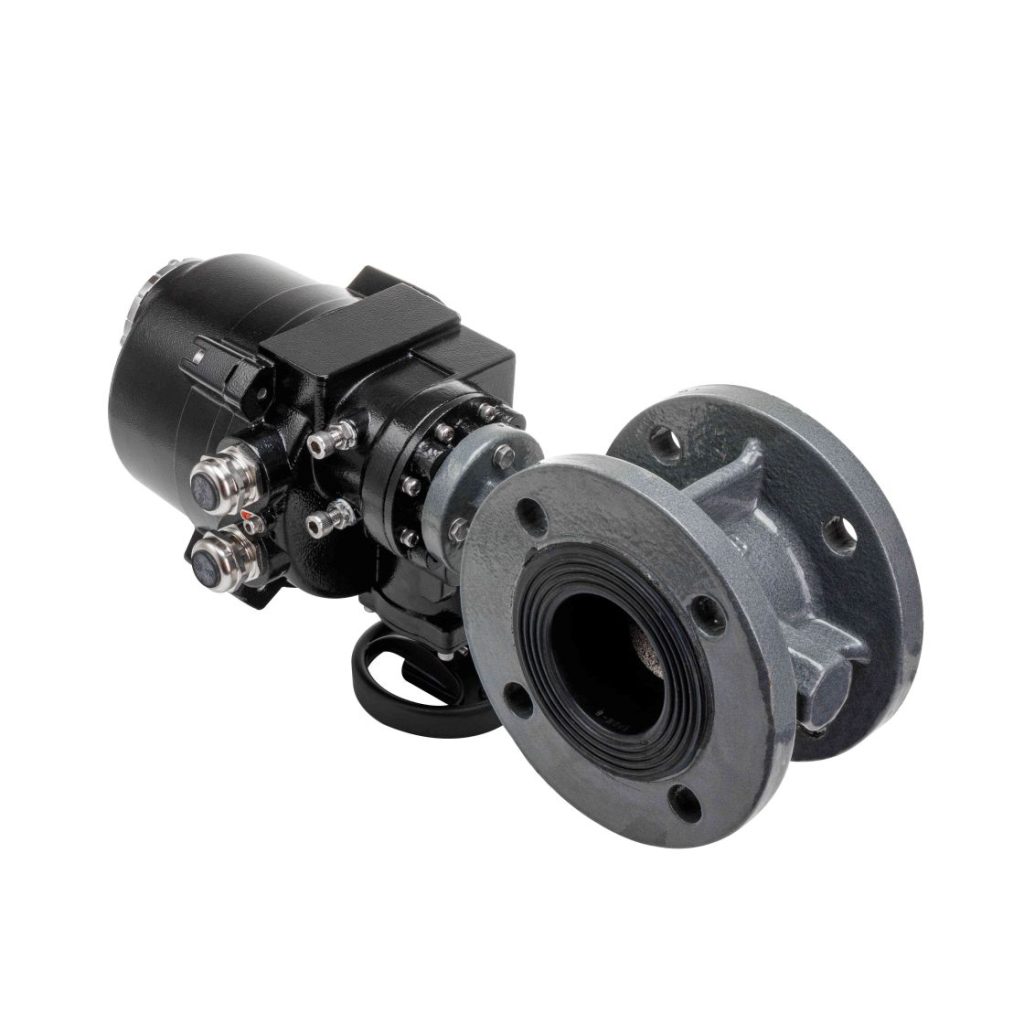
Electric ball valves are an integral part of modern fluid control systems, widely used in various industries due to their precise control, ease of automation, and reliability. These valves utilize an electric actuator to open and close a ball valve, enabling remote or automated control of fluid flow. Whether in industrial processes, HVAC systems, or water treatment plants, electric ball valves are indispensable for managing the flow of liquids, gases, and even steam. In this article, we will explore the key features, applications, and benefits of electric ball valves.
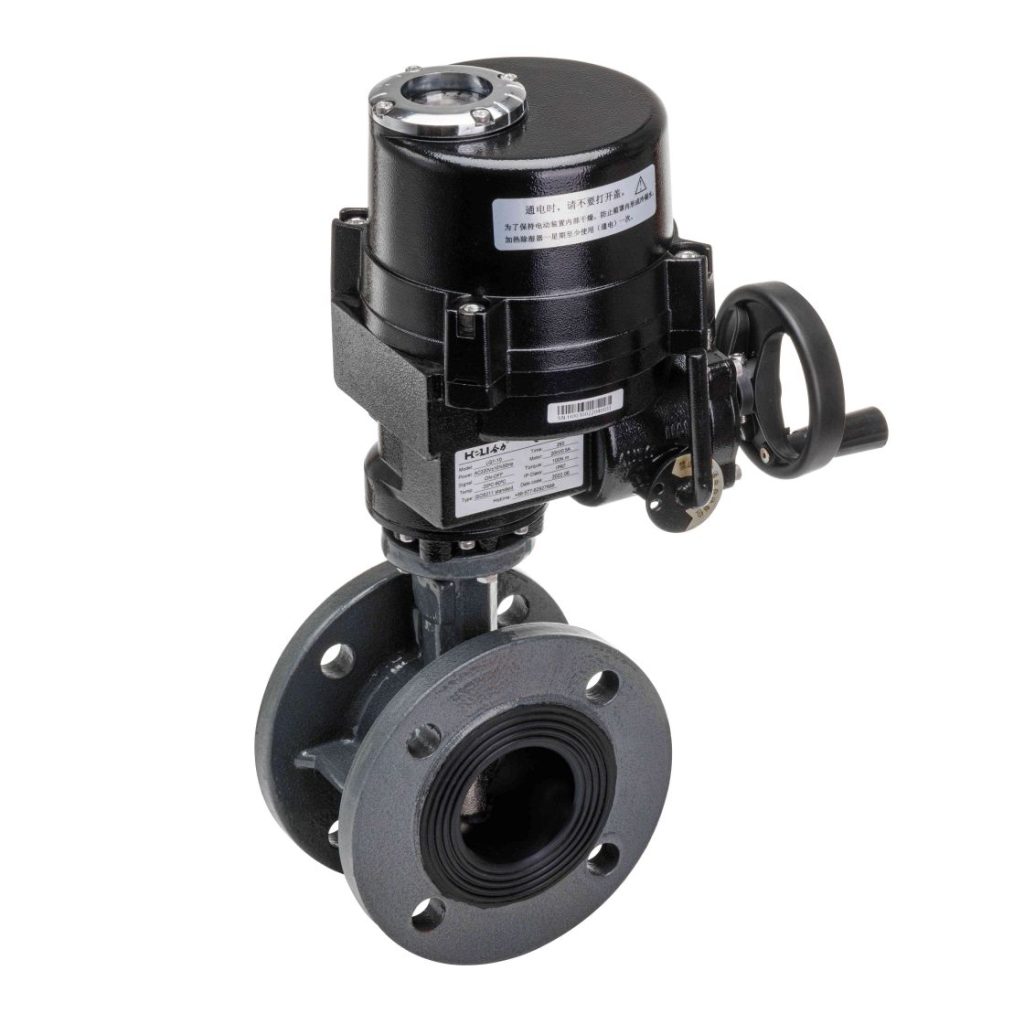
What is an Electric Ball Valve?
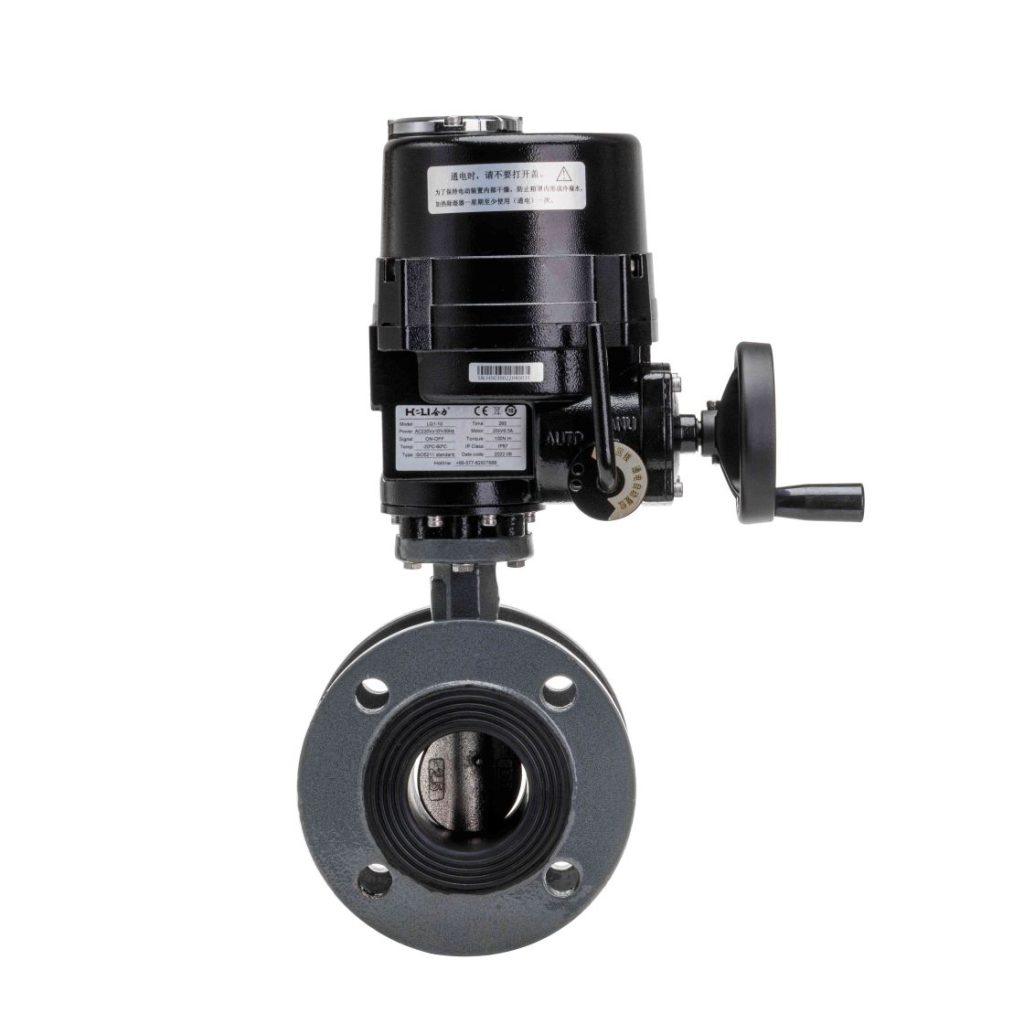
An electric ball valve is a type of valve that uses an electric actuator to rotate a ball with a hole in it, allowing fluid to flow through or be blocked, depending on the ball’s position. The actuator is powered by electricity, which allows for remote operation, making these valves ideal for automation in industrial processes. The ball itself is usually made of materials like stainless steel, brass, or plastic, which ensure durability and resistance to corrosion. Key Features of Electric Ball Valves Electric Actuator: The defining feature of an electric ball valve is its electric actuator, which is responsible for turning the ball to either open or close the valve. The actuator can be controlled via an electrical signal, often from a control system or a remote switch.