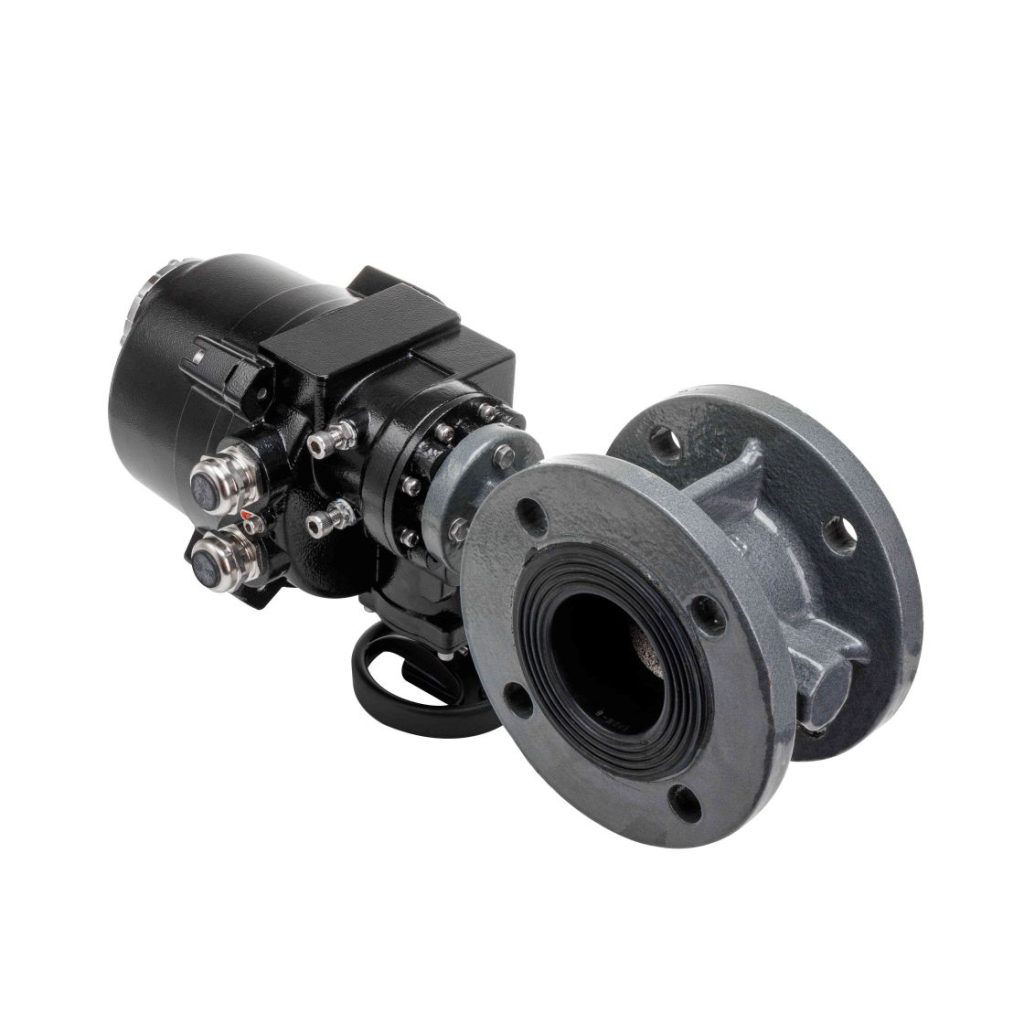
Electric ball valves are essential devices in a wide range of industrial applications, offering efficient and reliable control of fluid flow. These valves are commonly used in systems that require precise and automated flow regulation, such as in water treatment, HVAC systems, and various manufacturing processes. This article will provide an overview of electric ball valves, their working principles, advantages, applications, and considerations when selecting them for a system.
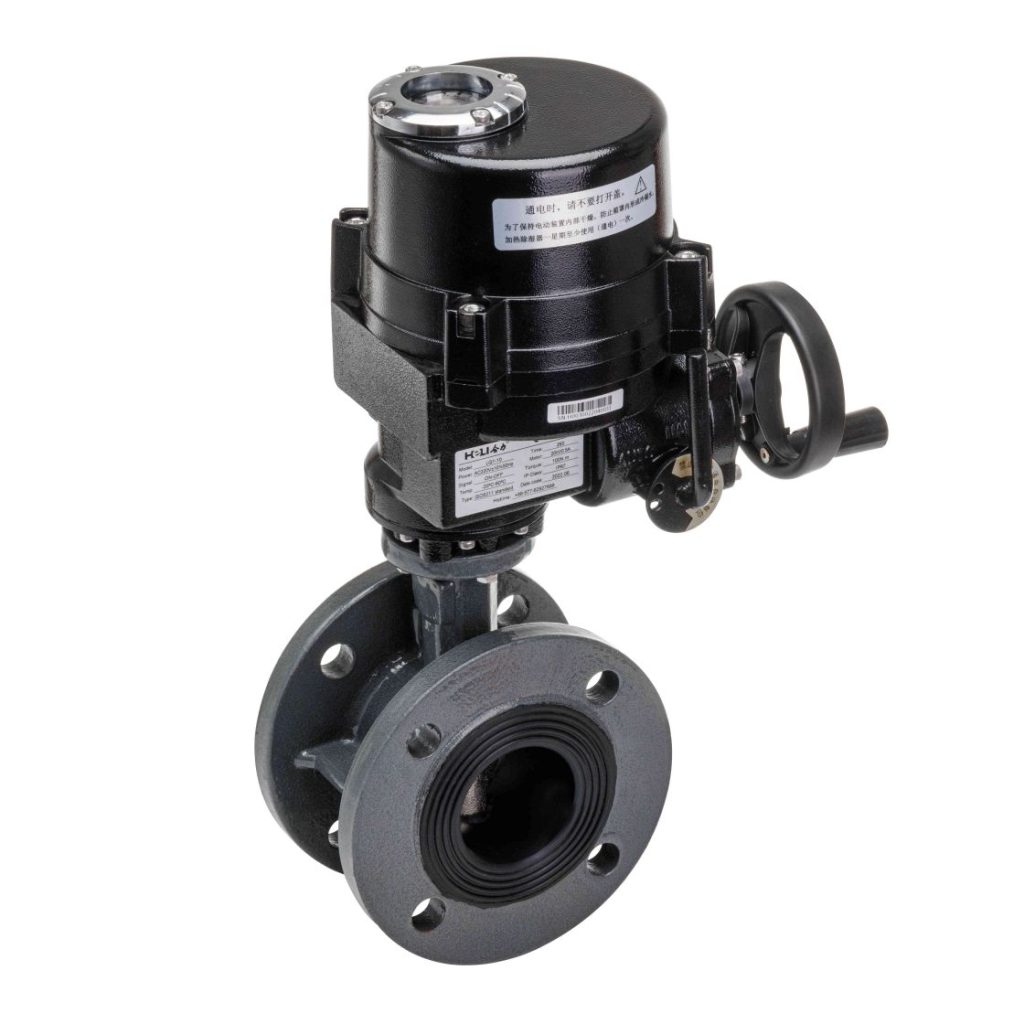
What is an Electric Ball Valve?
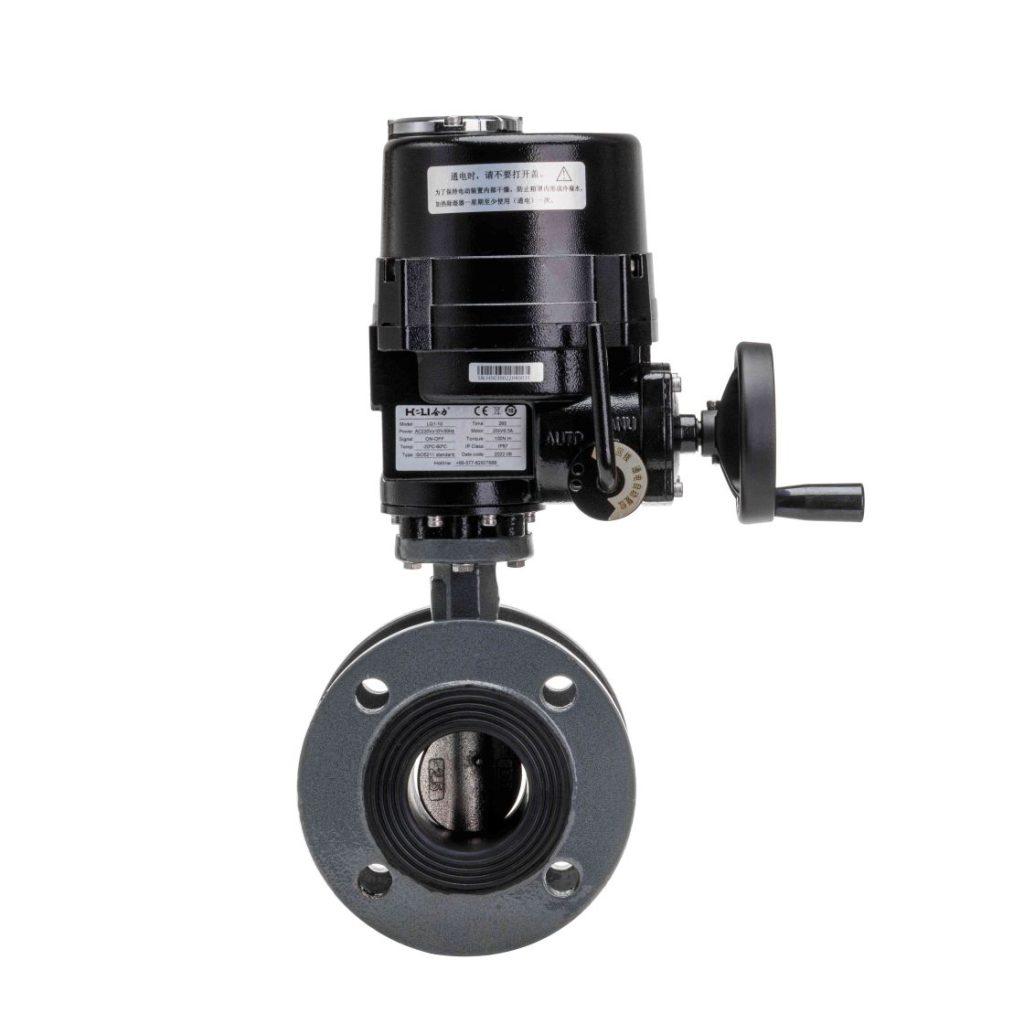
An electric ball valve is a type of quarter-turn valve that uses an electric actuator to control the opening and closing of a ball inside the valve body. The ball is perforated with a hole, and when the ball is rotated, the hole aligns with the flow path, allowing fluid to pass through. Conversely, when the valve is closed, the ball is rotated 90 degrees to block the flow. The actuator, typically powered by electricity, provides automated operation, making electric ball valves ideal for systems that require remote control or integration into automated control systems. How Does an Electric Ball Valve Work?