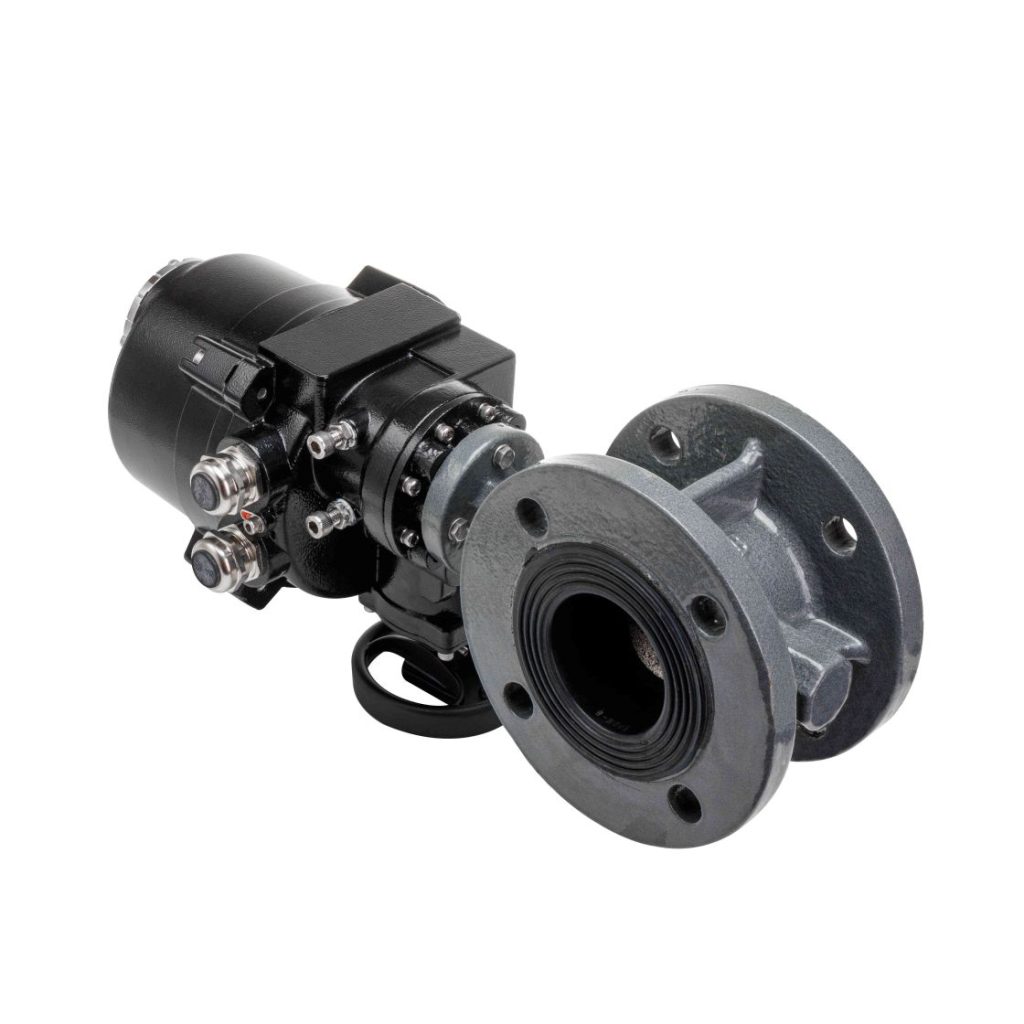
Electric ball valves are increasingly becoming a popular choice in various industrial applications due to their precision, reliability, and ease of automation. This article will delve into the workings of electric ball valves, their advantages, and the industries where they are commonly utilized.
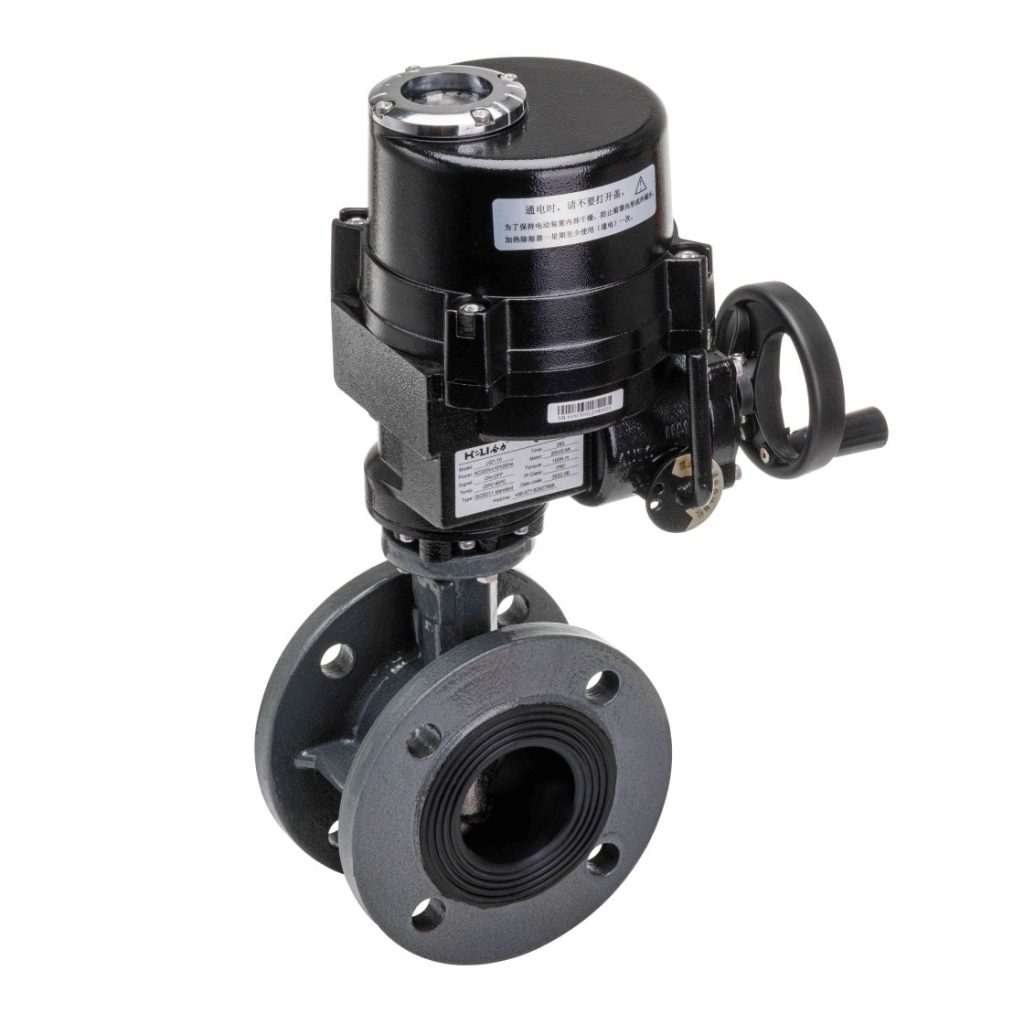
What is an Electric Ball Valve?
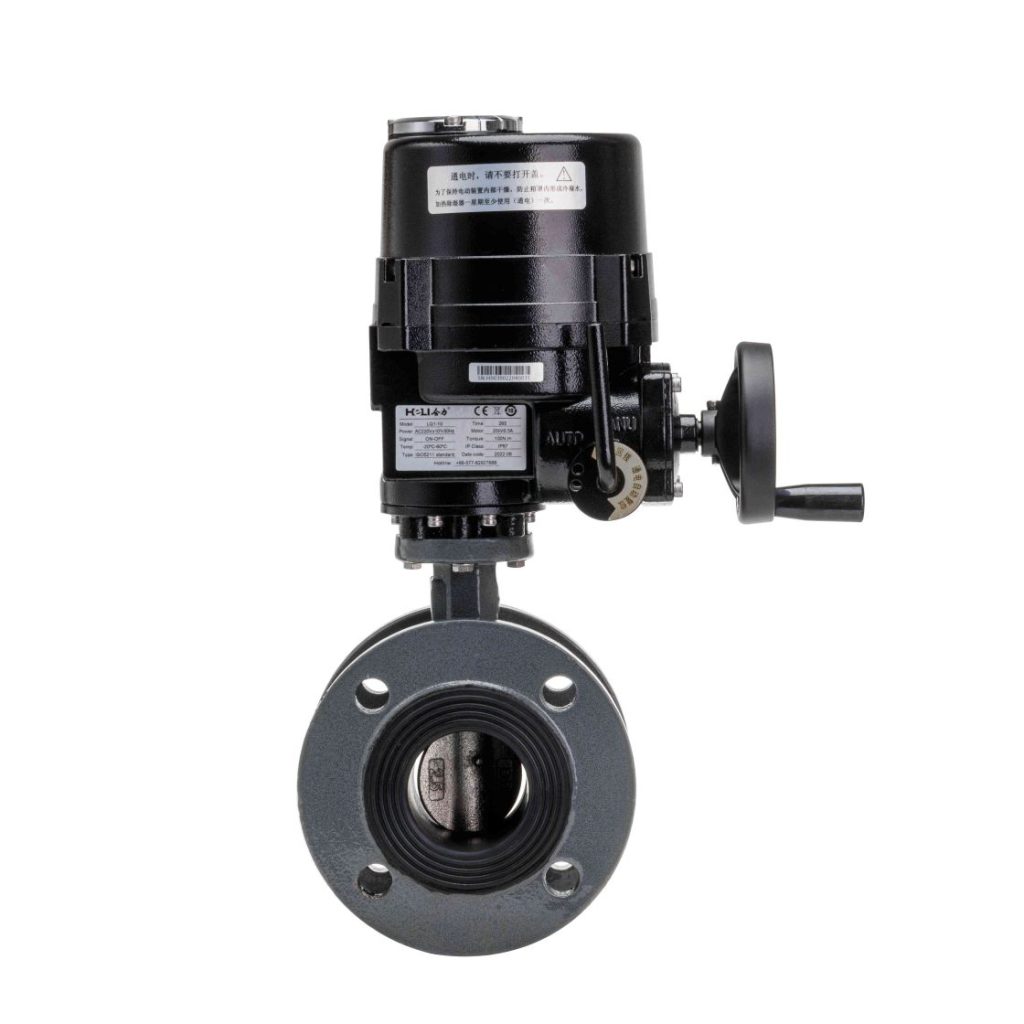
An electric ball valve is a type of quarter-turn valve that uses an electric motor to operate. The valve consists of a hollow, perforated ball (the “ball”) that rotates within the valve body to control the flow of fluid. When the ball’s hole is aligned with the flow, the valve is open, allowing fluid to pass through. Conversely, when the ball is rotated 90 degrees, the hole is perpendicular to the flow, effectively closing the valve. This simple yet effective design allows for quick and precise control over fluid flow. How Do Electric Ball Valves Work? Electric ball valves operate using a combination of mechanical and electrical components. The electric motor, often a stepper motor or a servomotor, drives the rotation of the ball. When an electrical signal is sent from a controller or a programmable logic controller (PLC), the motor activates, turning the ball to the desired position—either fully open or fully closed.