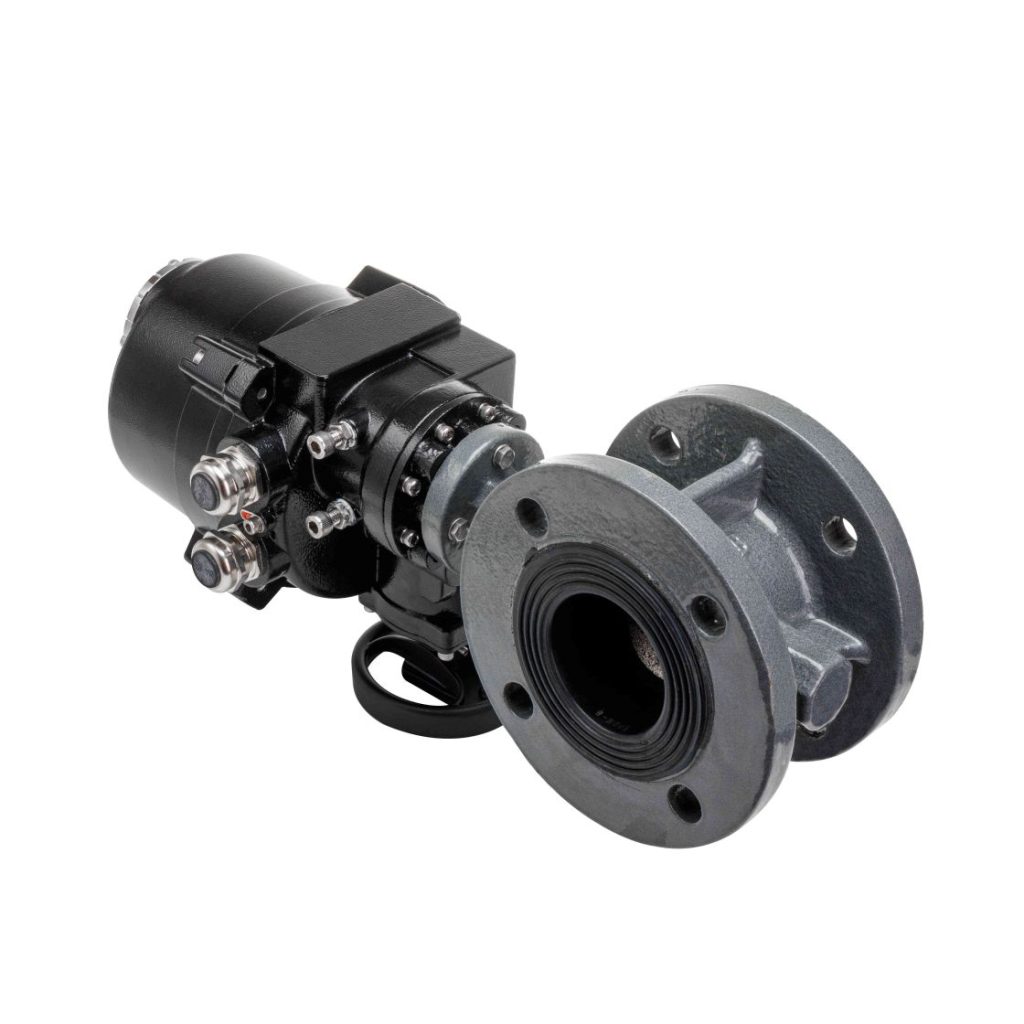
Electric ball valves are essential components in modern industrial automation and control systems. They serve as reliable devices to regulate the flow of fluids in various applications, offering precise control, efficiency, and safety. In this article, we will explore the functionality of electric ball valves, their advantages, and the diverse industries that utilize them.
Functionality of Electric Ball Valves
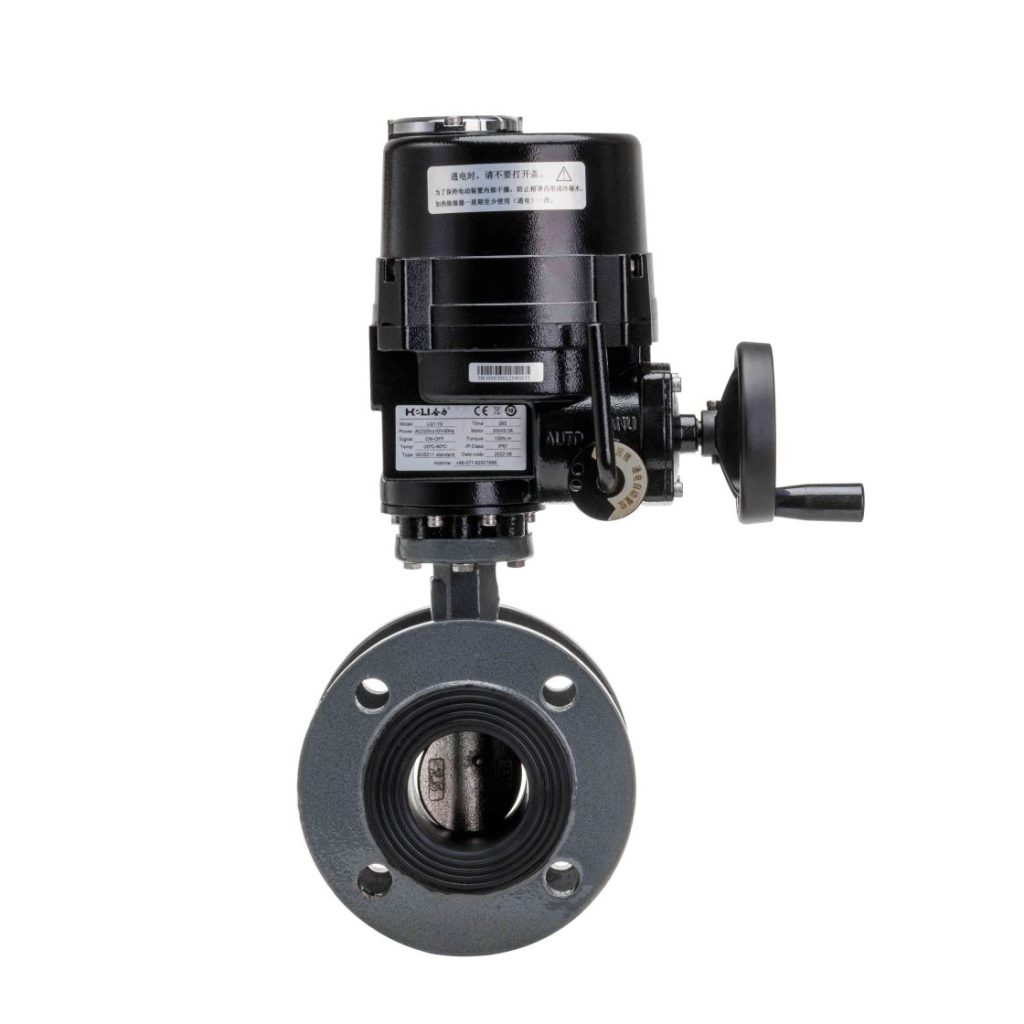
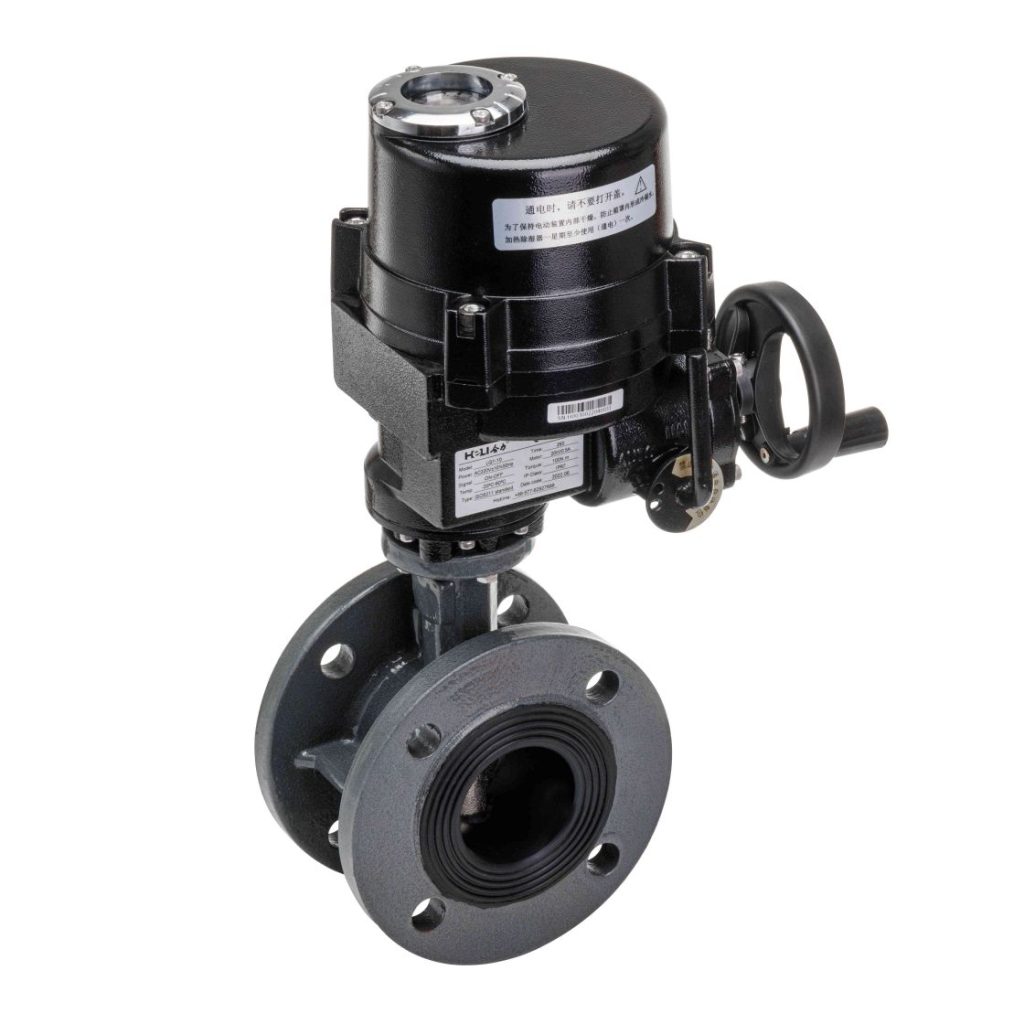
An electric ball valve consists of a spherical disc with a hole, attached to a valve body and operated by an electric actuator. The design allows the valve to start or stop the flow of liquid or gas by rotating the ball 90 degrees. When the hole in the ball is aligned with the flow, it is considered “open”; when the valve is rotated so the hole is perpendicular to the direction of the flow, it is “closed.” Electric ball valves are commonly characterized by their acting mechanism, typically employing either a two-way or three-way design. A two-way electric ball valve controls the flow of one medium through a single pipe, while a three-way valve allows for mixing or diverting flow between two different paths. The electric actuator can be a simple on/off type, which is ideal for applications requiring binary control, or a modulating type that adjusts the flow rate within preset limits.