Electromechanical switches are integral components in a wide variety of electronic and electrical systems. Combining electrical and mechanical operations, these switches play a crucial role in controlling electrical circuits, powering devices, and routing signals. Despite the rise of solid-state switches, electromechanical switches remain relevant due to their reliability, simplicity, and ability to handle higher power loads. This article explores the fundamental working principles, types, applications, advantages, and disadvantages of electromechanical switches.
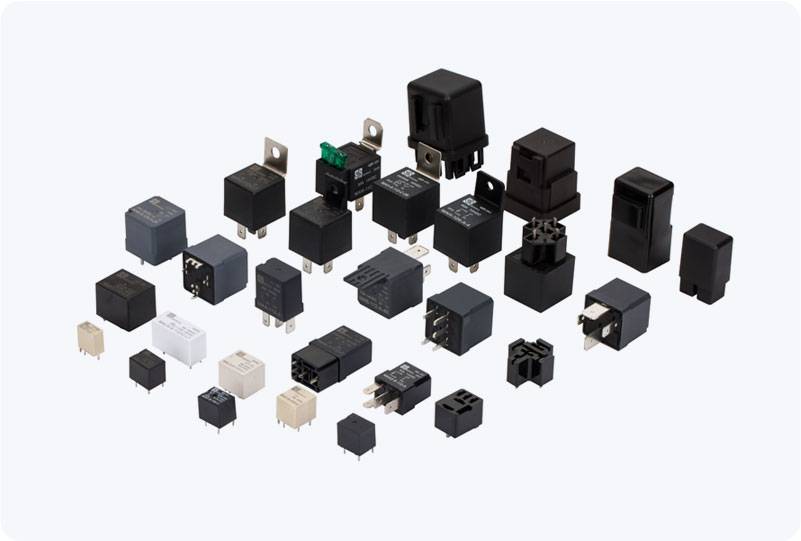
Working Principle of Electromechanical Switches At the heart of an electromechanical switch is the combination of an electromagnet and a mechanical armature. The basic operation is relatively simple. When an electrical current passes through the electromagnet, it generates a magnetic field. This magnetic field either attracts or repels the armature, which in turn causes the switch contacts to open or close. By controlling the movement of these contacts, the switch can either complete or break an electrical circuit, enabling or disabling the flow of current. The motion of the armature can be either a push or pull action depending on the design of the switch. This allows electromechanical switches to control the flow of electricity to various components in a circuit, such as motors, lights, or sensors. The switching action is typically mechanical, relying on physical movement of parts, but it can control electrical signals that range from low to high power levels.