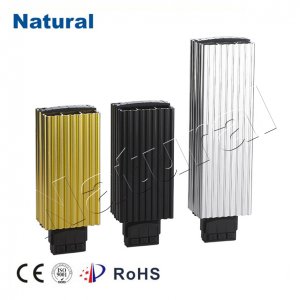
Element heaters are essential components in various heating systems, converting electrical energy into thermal energy to provide consistent and reliable heat. These heaters play a crucial role in modern household appliances, industrial equipment, and even automotive systems. Understanding the different types of element heaters, their applications, and benefits can help in choosing the right heating solution for specific needs.
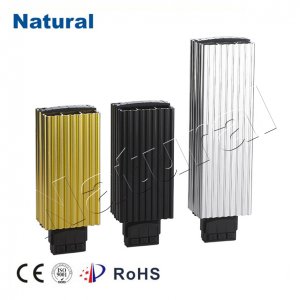
What is an Element Heater?
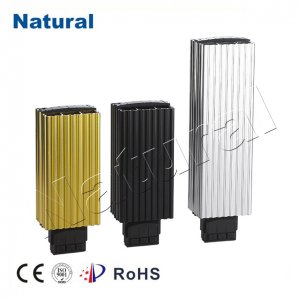
An element heater is a device that generates heat by passing electricity through a resistance material. This process is known as Joule heating, where electrical energy is converted into heat due to the resistance of the material. The resistance of the material causes it to heat up when electricity flows through it, making element heaters highly effective in applications where heat generation is needed. Element heaters are typically constructed using high-resistance metals such as nickel-chromium alloys (NiCr), stainless steel, or tungsten, which can withstand high temperatures and are known for their durability. The material choice often depends on the required temperature range and the specific application.