The Filtration System Solenoid Valve plays a crucial role in modern fluid management and filtration processes. This electrically operated valve is designed to control the flow of liquids and gases through a piping system, thus ensuring efficient filtration and optimal system performance. In this article, we will delve deep into the workings of this technology, its applications, advantages, and considerations for selection and maintenance.
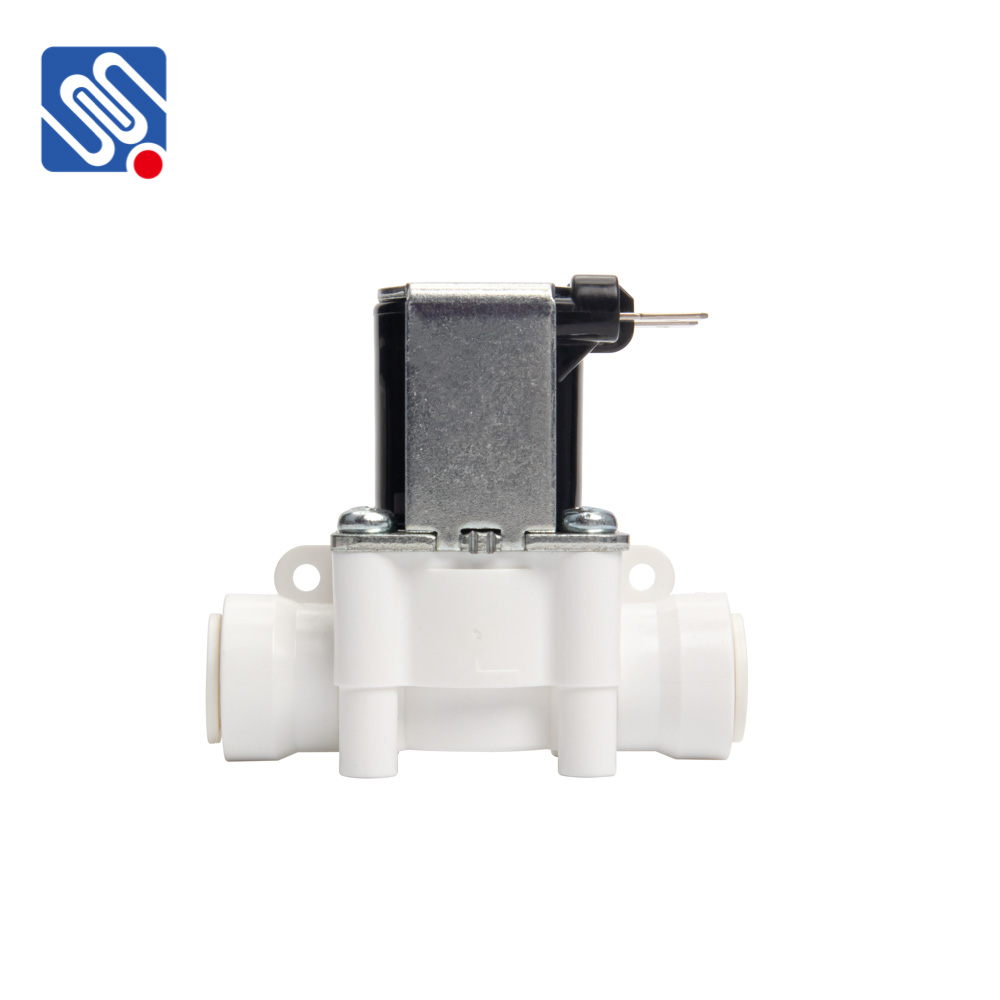
Working Principle At its core, a solenoid valve operates through an electromagnetic mechanism. When an electric current passes through a coil, it generates a magnetic field that either moves a piston or lifts a diaphragm, opening or closing the valve. The design of solenoid valves can vary, but generally, they consist of: Coil: This component generates the magnetic field when energized. Plunger or Diaphragm: The movement of this component allows the flow of fluid when the valve opens. Body: The outer casing that holds the internal components and connects to the fluid system. When activated, the solenoid valve can instantaneously allow or prevent fluid flow, making it an essential component for applications requiring precise control.