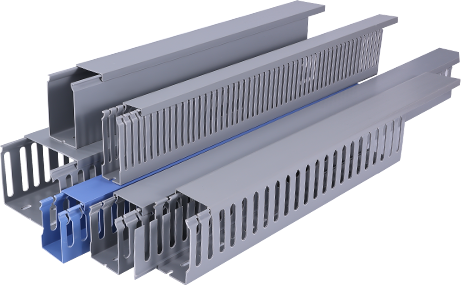
In today’s commercial and industrial facilities, electrical safety is not just a regulatory requirement—it is a critical investment in protecting people, property, and operational continuity. Among the many components that contribute to a secure electrical infrastructure, fire-rated wiring duct stands out as a unsung hero that prevents small electrical hazards from escalating into catastrophic disasters. Unlike standard wiring management products, fire-rated wiring duct is engineered to resist flame spread, contain internal electrical fires, and maintain structural integrity during a blaze, buying valuable time for evacuation and emergency response. As building codes become stricter and the demand for high-density electrical systems grows, understanding the core functions, benefits, and proper application of fire-rated wiring duct has become essential for architects, electrical contractors, and facility managers alike.
First, it is important to clarify what sets fire-rated wiring duct apart from conventional wiring management solutions. A standard wiring duct is designed primarily to organize and protect cables from physical damage, with little consideration for fire performance. Fire-rated wiring duct, by contrast, is manufactured from non-combustible or flame-retardant materials—typically rigid PVC blends, fiberglass-reinforced polyester, or galvanized steel with intumescent coatings—that meet strict international fire safety standards such as UL 94 V-0, IEC 60332-1, or BS 476. These materials are tested to limit flame spread across the duct surface, prevent the release of toxic smoke and fumes, and maintain their structural shape for a specified period, usually 30 to 90 minutes, when exposed to extreme heat. This means if an electrical fault inside the duct causes a small fire, the duct will contain the blaze rather than allowing it to spread along cable runs through walls, ceilings, or open floor spaces.
Secondly, the safety and regulatory benefits of fire-rated wiring duct make it a mandatory choice for many building types. Most modern building codes require fire-rated cable management in high-occupancy spaces such as office buildings, hospitals, schools, data centers, and manufacturing plants, where a fire can cause widespread harm and significant economic loss. Beyond meeting regulatory requirements, fire-rated wiring duct also reduces the risk of smoke inhalation, which is the leading cause of fire-related deaths. Many low-quality non-rated wiring products release large volumes of toxic smoke when burned, which can obscure exit routes and incapacitate occupants within minutes. High-quality fire-rated wiring duct is formulated to minimize smoke emission, improving evacuation conditions and reducing the risk of long-term health effects from smoke exposure. For data centers and other facilities with critical electrical loads, fire-rated wiring duct also protects core infrastructure from fire damage, reducing downtime and preventing permanent data loss that can cripple a business.
Another key advantage of fire-rated wiring duct is its versatility and long-term cost-effectiveness. Many people assume that fire-rated products are bulkier, more expensive, or harder to install than standard options, but modern manufacturing has produced fire-rated wiring duct in a wide range of sizes, styles, and configurations to fit almost any application. It is available for surface mounting on walls and ceilings, for recessed installation in floor trenches, and for use in cable tray systems, making it suitable for everything from small commercial retrofits to large new construction projects. While the upfront cost of fire-rated wiring duct may be slightly higher than standard duct, the long-term savings far outweigh this initial investment. It reduces insurance premiums by lowering fire risk, avoids costly fines for non-compliance with building codes, and extends the service life of electrical cables by protecting them from heat, moisture, and physical damage. In the event of a small electrical fault, the containment provided by fire-rated wiring duct can eliminate the need for full cable replacement, saving thousands of dollars in repair and downtime costs.
Additionally, proper installation and selection of fire-rated wiring duct are critical to ensuring it delivers the expected safety performance. It is not enough to simply choose any product labeled as fire-rated; contractors must select a duct with the appropriate fire rating for the application, matching the required fire resistance duration to the building’s specific code requirements. For example, a fire-rated duct running through a fire-resistant wall assembly must have a fire rating that matches the wall’s rating to maintain the compartmentation that prevents fire spread. It is also important to follow manufacturer guidelines for installation, including leaving proper clearance around the duct, using compatible fire-rated fittings and accessories, and avoiding overcrowding that can reduce the duct’s fire performance. Working with a reputable supplier that provides third-party tested and certified fire-rated wiring duct ensures that the product will perform as expected during an emergency.
In conclusion, fire-rated wiring duct is a critical component of modern electrical safety infrastructure that delivers far more value than its basic function of organizing cables. By resisting flame spread, containing internal fires, reducing toxic smoke emission, and meeting strict regulatory requirements, it protects both people and property from the devastating impact of electrical fires. Its versatility and long-term cost-effectiveness make it a smart investment for any building, from small commercial spaces to large industrial facilities and data centers. As electrical systems become more complex and building safety standards continue to evolve, fire-rated wiring duct will remain an essential element of creating safe, resilient, and compliant built environments. For anyone involved in designing, installing, or maintaining electrical systems, prioritizing high-quality, certified fire-rated wiring duct is one of the most impactful steps to improve overall building safety.