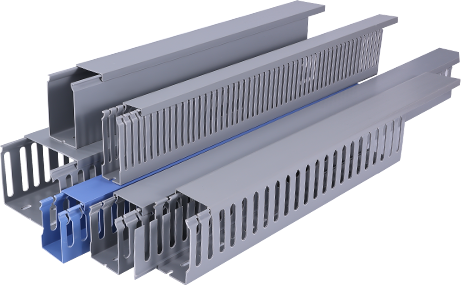
In modern electrical and data systems, organizing and protecting cables is more than just a matter of tidiness—it is a core requirement for workplace and facility safety. Among the various cable management solutions available today, flame retardant wiring duct stands out as a specialized product designed to address both organizational needs and fire safety risks. As commercial buildings, industrial facilities, and data centers continue to expand their electrical infrastructure, the demand for reliable, fire-resistant cable management products has grown significantly, making flame retardant wiring duct an essential component in many construction and retrofitting projects. This article will explore the key characteristics, benefits, applications, and selection considerations of this critical safety product to help engineers, facility managers, and contractors make informed decisions.
First, it is important to understand what defines flame retardant wiring duct and how it differs from standard wiring duct. Wiring duct, also known as cable trunking or wire trough, is a channel-shaped enclosure that organizes and protects electrical wires and data cables running along walls, ceilings, or equipment frames. Unlike standard duct made from non-fire-resistant plastic or metal, flame retardant wiring duct is manufactured from specially formulated materials that resist ignition, slow the spread of fire, and limit the release of toxic smoke when exposed to high heat or flame. Most modern flame retardant wiring ducts are made from thermoplastic materials such as PVC, ABS, or polycarbonate, modified with flame-retardant additives that meet strict international safety standards, such as UL 94 V-0, IEC 60332, or RoHS requirements. These material modifications do not compromise the duct’s basic functionality—they still allow for easy cutting, installation, and access to cables for maintenance or upgrades, while adding critical fire protection properties.
Secondly, the primary benefit of flame retardant wiring duct lies in its ability to reduce fire risk and protect people and property in the event of an electrical fire. Electrical faults, such as short circuits or overheating wires, are one of the leading causes of building fires worldwide. Standard non-flame-retardant plastic ducts can ignite easily when exposed to overheating wires, and they can quickly spread fire along the length of the cable run, releasing large amounts of toxic smoke that can block escape routes and cause respiratory harm. Flame retardant wiring duct, by contrast, will self-extinguish if ignited, preventing the fire from spreading beyond the point of origin. This extra layer of protection gives building occupants more time to evacuate and gives emergency responders more time to control the fire, significantly reducing the risk of injury and property damage. In addition to fire resistance, many flame retardant wiring duct products also offer other functional benefits, such as resistance to impact, moisture, and UV radiation, making them suitable for a wide range of indoor and outdoor applications.
Another key advantage of flame retardant wiring duct is its versatility across different industries and use cases. In commercial office buildings and retail spaces, it is commonly used to route power and data cables along baseboards, ceilings, and partition walls, keeping cables organized and protected while maintaining a clean, professional appearance. In industrial facilities, where heavy machinery and high-voltage equipment create greater electrical risk, flame retardant wiring duct protects cables from physical damage and reduces the risk of fire spreading through cable runs across production floors. Data centers, which house hundreds of kilometers of power and data cables that generate continuous heat, rely heavily on flame retardant wiring duct to organize cable infrastructure and mitigate fire risk that could take down critical server systems. Additionally, flame retardant wiring duct is required by code in many public buildings, such as schools, hospitals, and airports, where large numbers of people gather and fire safety regulations mandate the use of fire-resistant building materials. Even in residential construction, more builders are choosing flame retardant wiring duct for whole-home cable management, as homeowners become more aware of electrical safety risks.
When selecting flame retardant wiring duct for a project, there are several key factors to consider to ensure compliance and performance. First, it is essential to verify that the product meets the relevant regional safety standards for flame resistance. Different regions have different testing requirements, so contractors should confirm that the duct carries the appropriate certifications, such as UL listing for North America or CE marking for the European Union. Second, the size and configuration of the duct should match the volume and type of cables being routed. Overpacking a duct can restrict airflow, increase heat buildup, and reduce the flame retardant effectiveness, so it is important to choose a duct size that leaves adequate space for cables and future expansions. Finally, consider the installation environment: for outdoor or high-moisture areas, choose a duct with additional UV and moisture resistance, and for areas with high physical stress, opt for thicker, impact-resistant materials.
In conclusion, flame retardant wiring duct is a small but critical component that plays a major role in overall electrical system safety. By combining effective cable organization with reliable fire resistance, it helps reduce fire risk, protect lives and property, and ensure compliance with building safety codes across a wide range of applications. As electrical systems continue to grow in complexity and fire safety regulations become stricter, the importance of high-quality flame retardant wiring duct will only continue to increase. Choosing a certified, properly sized flame retardant wiring duct for your project is a simple but effective investment in long-term safety and reliability.