In the food and beverage industry, the integrity of the production process heavily relies on the quality of equipment used. Among these critical components, the food grade solenoid valve stands out as an essential element in ensuring the safe and efficient handling of various fluid products. This article delves into the role, characteristics, applications, and maintenance considerations for food grade solenoid valves, underlining their significance in promoting hygiene and compliance in food processing.
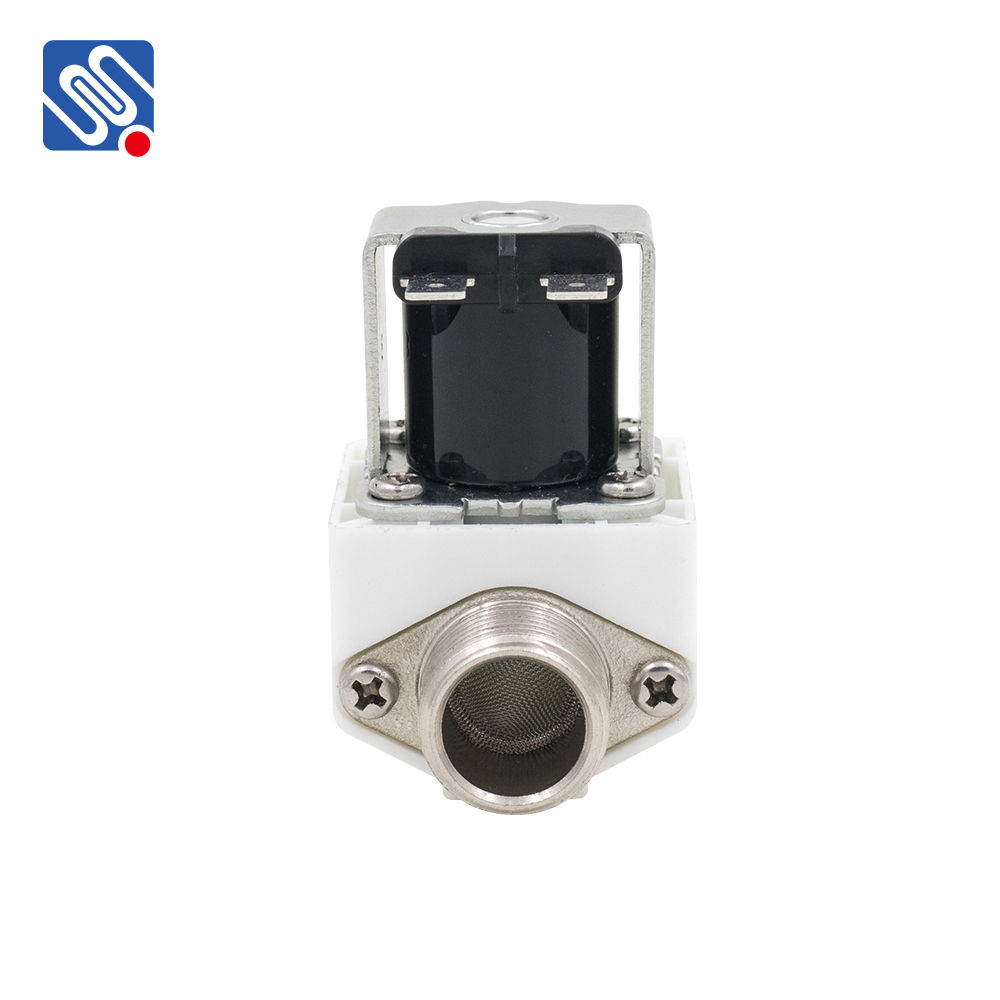
What is a Food Grade Solenoid Valve? A food grade solenoid valve is an electromechanical device specifically designed to control the flow of fluids in applications involving food and beverages. These valves utilize an electromagnetic coil to open or close the flow path, thereby regulating the delivery of liquids under different conditions. Unlike standard solenoid valves, food grade variants are constructed from materials that comply with stringent health and safety regulations, ensuring that they do not contaminate food products. Key Characteristics Safe Materials: Food grade solenoid valves are typically manufactured from materials such as stainless steel, polypropylene, and other non-toxic substances. These materials are resistant to corrosion and wear, providing longevity while preventing chemical reactions that could compromise food safety.