A Food Grade Solenoid Valve plays a critical role in the food and beverage industry by providing hygienic and safe flow control for liquids and gases used in food production. These valves are designed to meet the stringent standards for food safety and hygiene, ensuring that the flow of raw materials, ingredients, or finished products remains contaminant-free throughout the production process. This article explores the key features, applications, and selection criteria of Food Grade Solenoid Valves, helping manufacturers and operators make informed decisions when choosing the right valve for their systems.
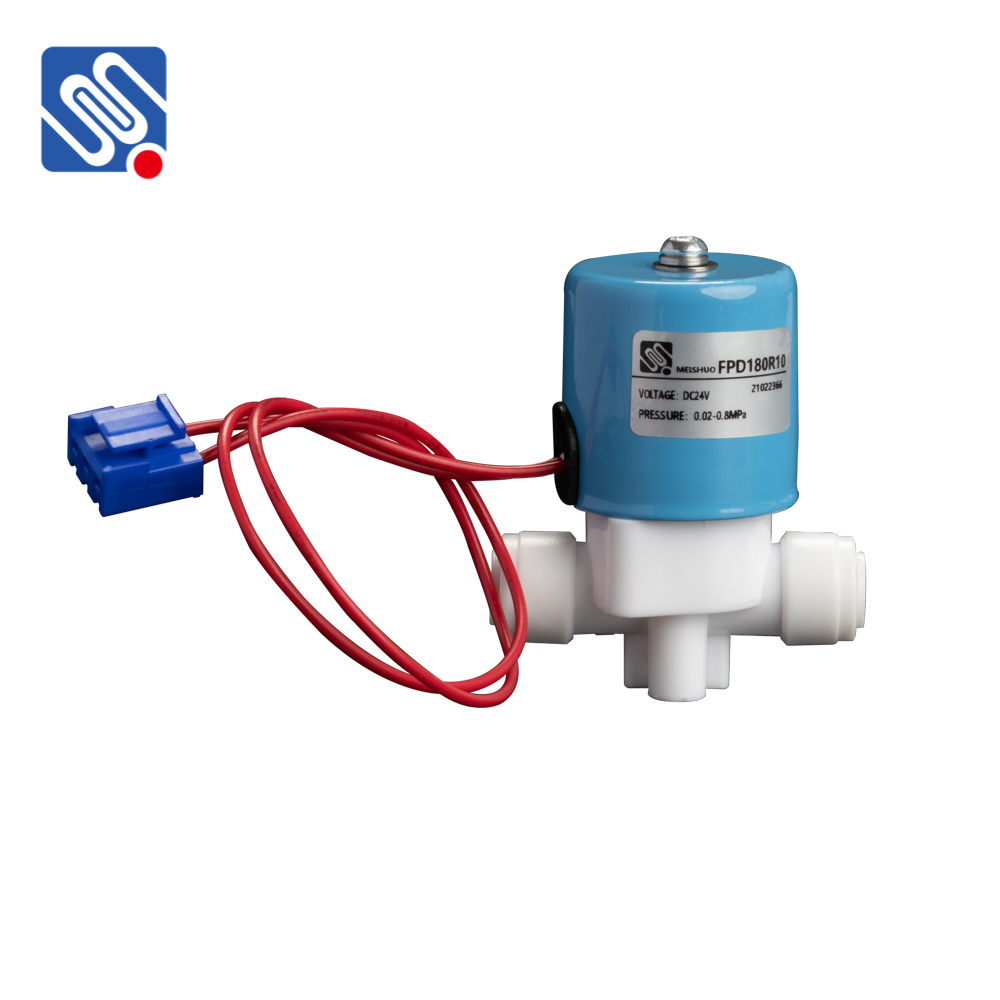
What is a Food Grade Solenoid Valve? A Food Grade Solenoid Valve is a type of valve used to control the flow of food-grade liquids, gases, or powders in production lines. Unlike regular solenoid valves, these valves are made from materials that comply with food safety regulations, ensuring that they do not contaminate the product they come in contact with. Typically, these valves feature stainless steel bodies, non-toxic seals, and other components designed to withstand harsh sanitary environments while preventing microbial growth or contamination. Key Features of Food Grade Solenoid Valves