In the modern world where food safety is paramount, industries are continually striving to meet stringent hygiene standards while maintaining efficient production processes. One crucial component in the food and beverage industry that plays a significant role in this endeavor is the Food Grade Solenoid Valve. These specialized valves are designed specifically for applications involving food and beverages, ensuring that they operate safely and effectively without contaminating the products they manage.
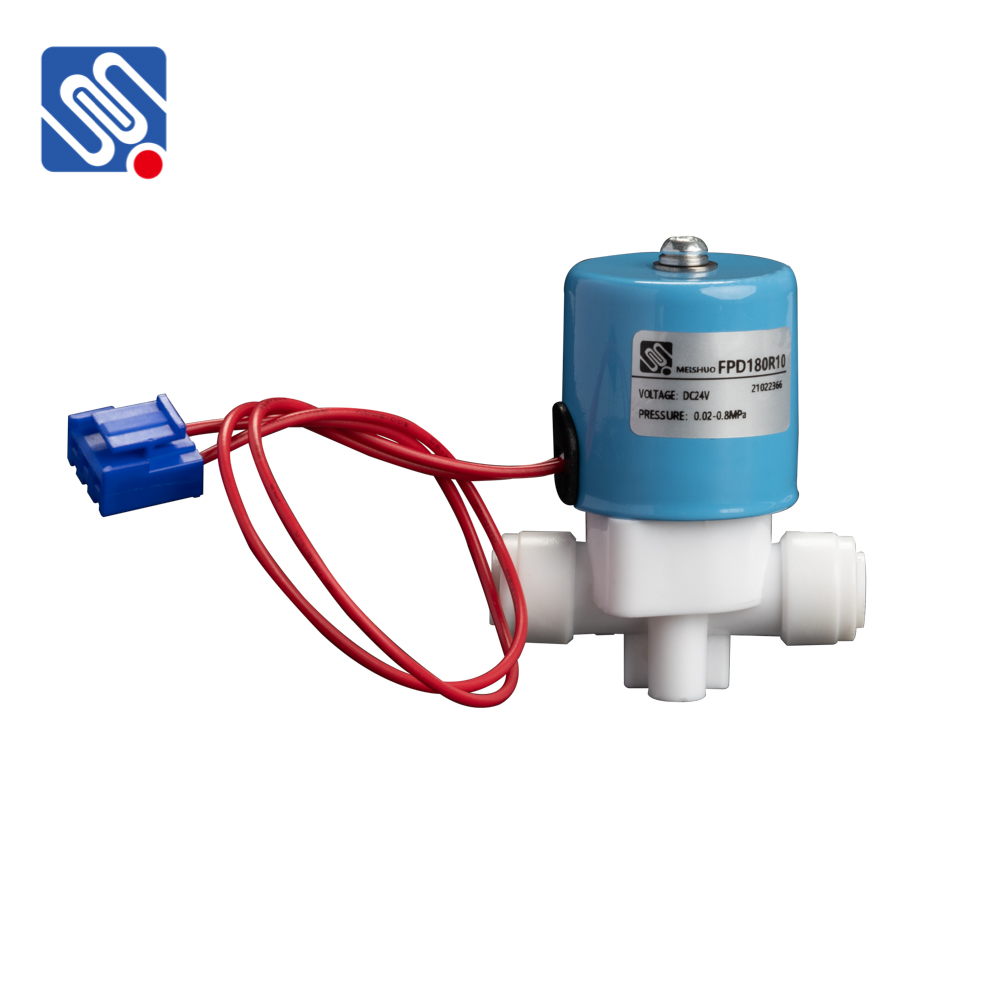
What is a Food Grade Solenoid Valve? A Food Grade Solenoid Valve is an electromechanical device used to control the flow of liquids or gases in food processing systems. These valves operate based on an electromagnetic coil that opens or closes the valve, allowing or restricting the flow of material. The key distinguishing factor of food-grade valves is the materials used in their construction. They are built from hygienic materials, such as stainless steel and food-safe plastics, which comply with international food safety standards. Key Features Material Composition: Food-grade solenoid valves typically utilize materials like 304 or 316 stainless steel due to their excellent corrosion resistance and durability. These materials can withstand various cleaning agents and operational pressures commonly found in food processing.