Food-grade solenoid valves are vital components in modern food and beverage manufacturing. As industries are becoming more automated, the need for precise control over fluid flow, such as water, juices, and syrups, has significantly increased. These solenoid valves are engineered to meet stringent food safety regulations, ensuring that they do not contaminate food or beverages while offering high reliability and efficiency. This article delves into the features, applications, and advantages of food-grade solenoid valves.
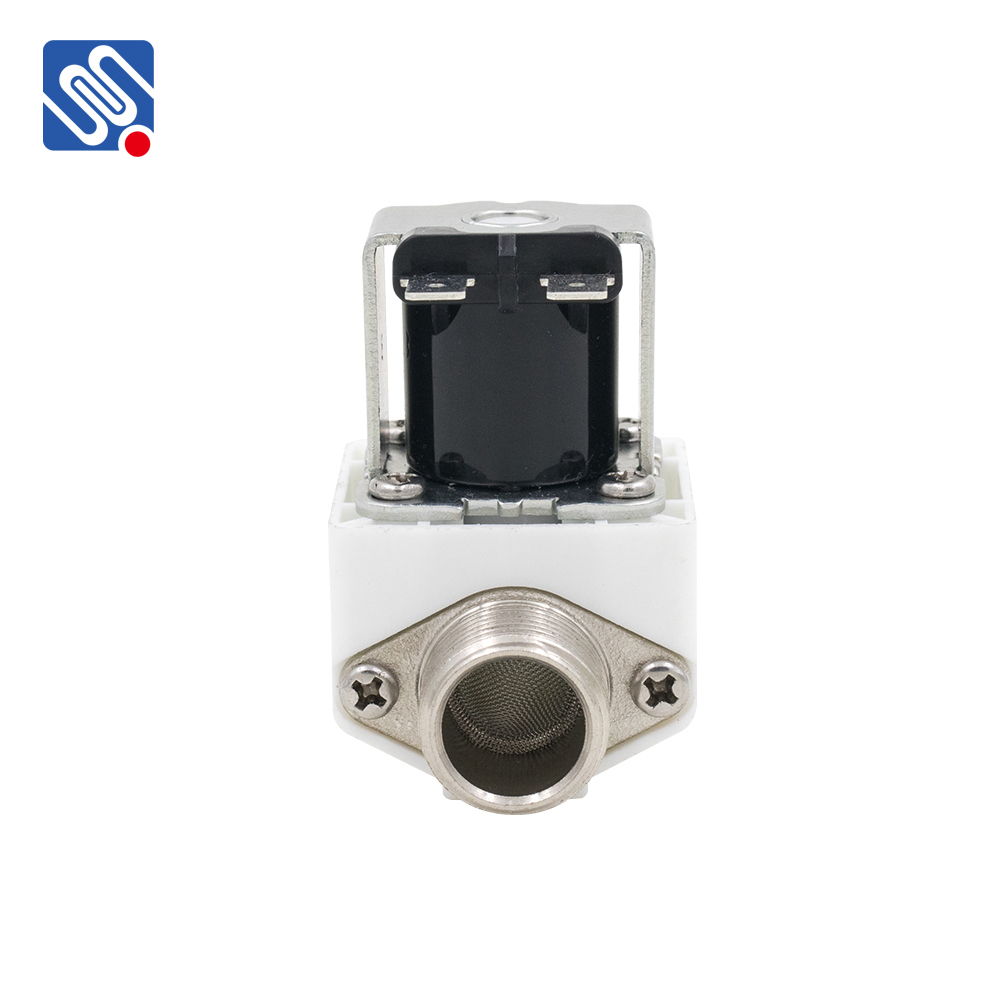
What is a Food Grade Solenoid Valve? A food-grade solenoid valve is a type of electrically operated valve designed to regulate the flow of fluids or gases in systems that come into direct contact with food or beverages. These valves are manufactured with materials that are safe for food processing and comply with health and safety standards, such as FDA regulations or CE certification in Europe. The food-grade aspect refers primarily to the materials used in the valve’s construction. The valve must be made from non-toxic, corrosion-resistant, and easy-to-clean materials like stainless steel, PTFE (polytetrafluoroethylene), or food-safe plastics. This ensures that the valve can withstand the harsh conditions of food production while maintaining a hygienic environment, which is crucial for preventing contamination.