In the realm of electrical safety, the Ground Fault Relay (GFR) plays an indispensable role. These specialized devices are designed to detect ground faults—an abnormal condition where electrical current leaks to the ground, potentially causing severe safety risks, equipment damage, or even fire hazards. This article aims to shed light on the workings, applications, and significance of Ground Fault Relays within various electrical systems.
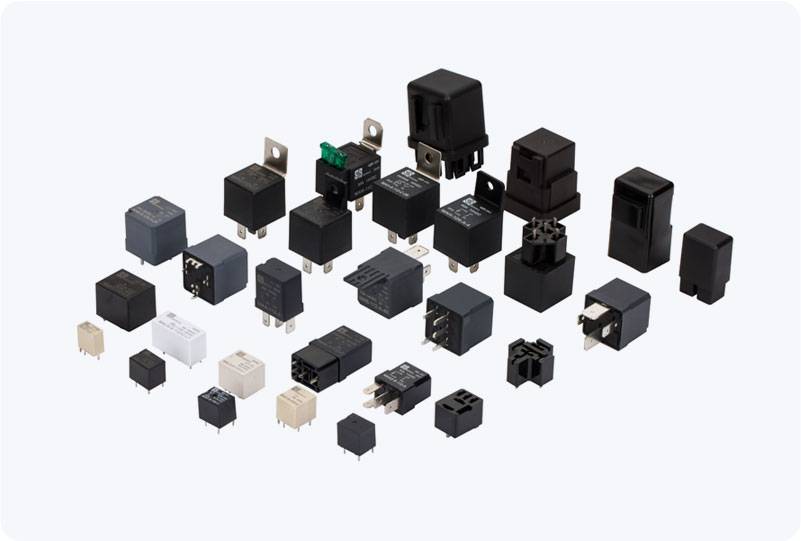
What is a Ground Fault Relay? A Ground Fault Relay is a protective device that monitors electrical circuits for imbalances between the outgoing and incoming currents. In a properly functioning electrical system, the current flowing into a circuit should equal the current returning from it. However, when a ground fault occurs—say, when a conductive object unintentionally connects to a grounded surface—it can cause a measurement imbalance. The GFR detects this imbalance and triggers protective measures to mitigate the risk, such as disconnecting the power source. How Does It Work? The operation of a Ground Fault Relay primarily relies on measurements taken from current transformers (CTs). These CTs are placed around the conductors in a circuit, allowing the relay to continually monitor the flow of electrical current. The key steps in its operation are as follows: