A Ground Fault Relay (GFR) is a key protective device used in electrical systems to detect and respond to ground faults, which can pose significant risks to both equipment and safety. Ground faults occur when an unintended connection between an electrical circuit and the ground happens, potentially causing damage, electrical shocks, or even fires. This article explores the operation, applications, and importance of Ground Fault Relays in modern electrical protection.
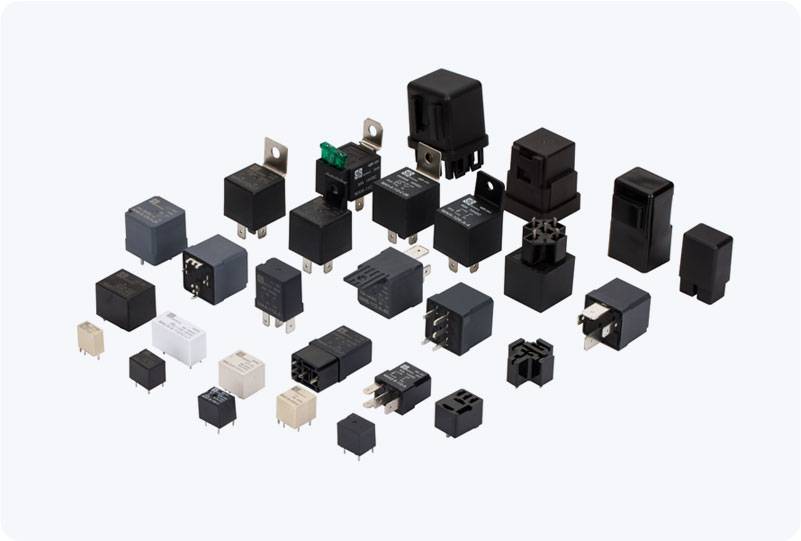
What is a Ground Fault Relay? A Ground Fault Relay is designed to monitor an electrical circuit for any unintentional ground path. When a fault occurs, the relay detects any imbalance between the live conductors and the neutral or ground connection, triggering an alarm or shutdown to prevent further damage. It’s commonly used in various electrical systems, particularly in low-voltage distribution networks, industrial machinery, and power distribution panels. The primary function of a GFR is to detect the flow of current through an unintended path, which could lead to dangerous consequences. The relay detects this fault current and activates protective measures, such as tripping a circuit breaker, to disconnect the faulty circuit from the rest of the system.