In industrial applications where flammable gases, vapors, or dust are present, ensuring safety is paramount. One key component in managing electrical hazards in these environments is the Hazardous Area Relay (HAR). Designed specifically for operations in potentially explosive atmospheres, HARs play a critical role in protecting both equipment and personnel. This article explores the function, design features, applications, and standards governing Hazardous Area Relays.
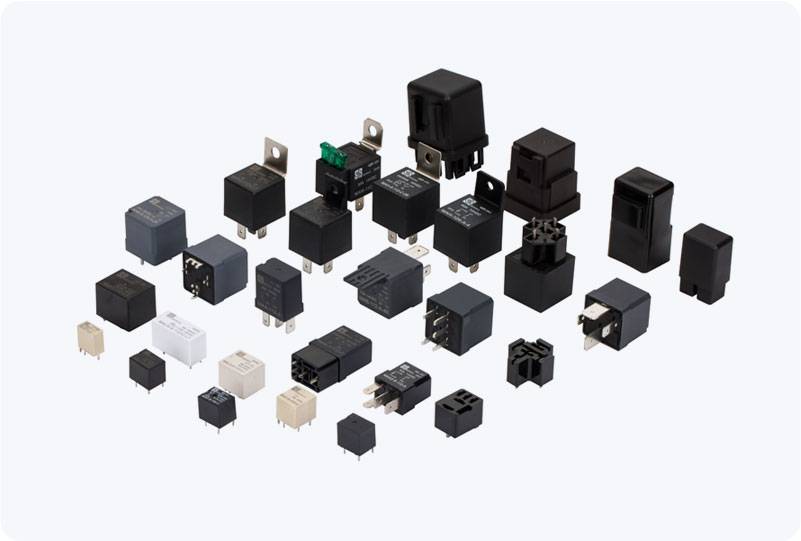
The Function of Hazardous Area Relay Hazardous Area Relays are control devices that ensure safe operation in environments classified as hazardous due to the presence of flammable substances. They act as switches, regulating electrical circuits to control machines, equipment, or processes. The primary function of HARs is to isolate or switch off electrical equipment to prevent the risk of explosion or fire during abnormal conditions, such as short circuits or overloads. These relays can be mechanical or electromagnetic and are specifically designed to withstand the rigors of hazardous environments. By responding to changes in electrical load or flow, Hazardous Area Relays enhance the operational safety of various electrical systems.