High-voltage (HV) systems, which are critical for the efficient distribution and transmission of electricity, require robust protective mechanisms to ensure safety and reliability. Among these, the HV Insulation Fault Relay plays a crucial role in detecting insulation faults, preventing system failures, and safeguarding both equipment and personnel. This article explores the functionality, significance, and application of HV Insulation Fault Relays, providing insights into their importance in high-voltage electrical systems.
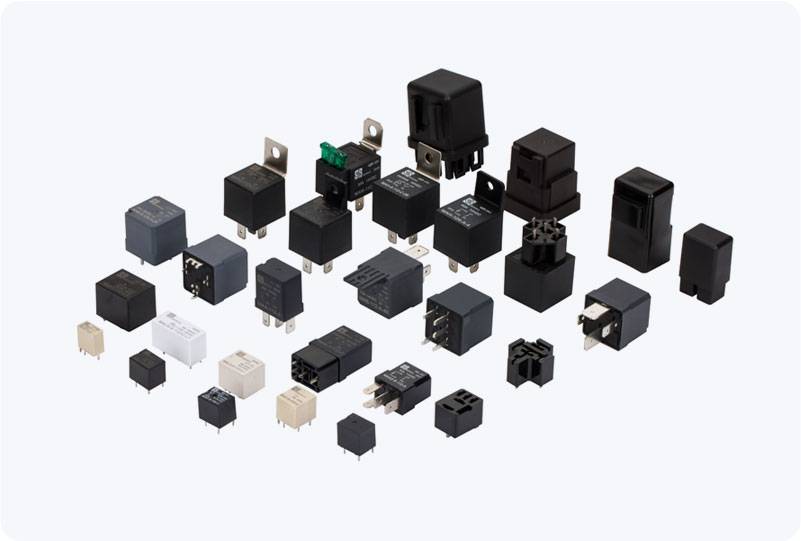
What is an HV Insulation Fault Relay? An HV Insulation Fault Relay is an advanced protection device designed to monitor the insulation condition of high-voltage electrical systems. Its primary function is to detect insulation failures or degradation, which can lead to dangerous faults such as electric shocks, fires, or damage to electrical equipment. These relays measure the insulation resistance of the system and trigger alarms or initiate protective actions (such as disconnecting the power) if the insulation resistance drops below a safe threshold. How Does it Work? The HV Insulation Fault Relay works by continuously monitoring the insulation resistance of the high-voltage system. It typically employs high impedance or low impedance detection techniques to measure the leakage current or potential difference between the conductors and earth. When the insulation starts to degrade, small leakage currents begin to flow, which can be detected by the relay.