In the realm of industrial safety, the term “Lockout/Tagout” (LOTO) plays a pivotal role, particularly concerning industrial electrical equipment lockouts. These procedures are designed to protect workers from the unexpected energization, startup, or release of hazardous energy while they perform maintenance or repair work on electrical equipment. Understanding the significance of these measures, the steps involved, and the appropriate equipment can greatly reduce the risk of workplace accidents and enhance overall safety in industrial settings.
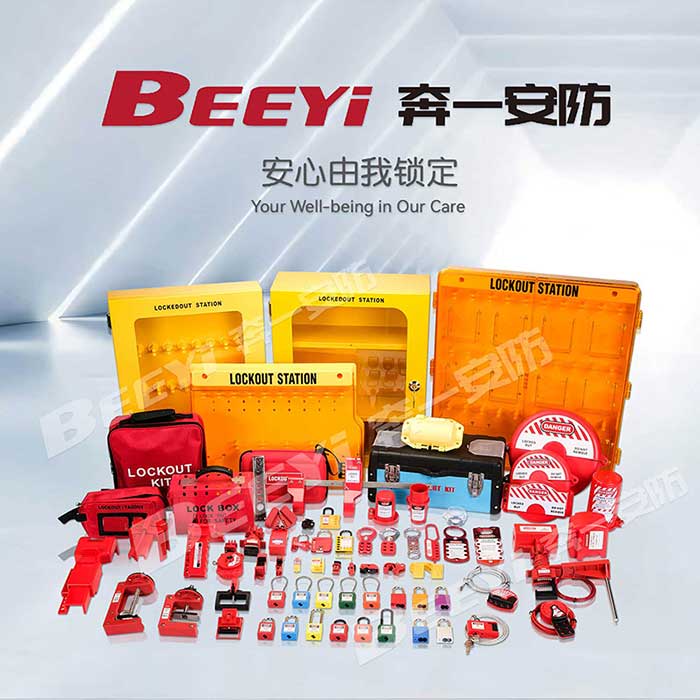
The Importance of Lockout/Tagout Procedures Industrial facilities frequently operate numerous pieces of electrical equipment, ranging from motors and generators to control panels and high-voltage systems. Each piece of equipment can pose significant hazards if not properly managed during maintenance. The primary goal of industrial electrical equipment lockouts is to ensure that machines are completely de-energized and key control mechanisms are secured to prevent accidental startups during maintenance. The importance of these procedures cannot be overstated. According to the Occupational Safety and Health Administration (OSHA), lockout/tagout violations are among the top causes of workplace injuries and fatalities. Implementing effective lockout/tagout strategies is not just a regulatory compliance issue; it is a moral imperative that prioritizes the health and safety of workers.