In industrial environments, safety is of paramount importance, especially when working with pneumatic systems. Industrial pneumatic lockouts serve as a crucial component of safety protocols designed to protect workers during maintenance and repair operations. This article will delve into the significance of industrial pneumatic lockouts, their components, applications, and best practices to create a safer working environment.
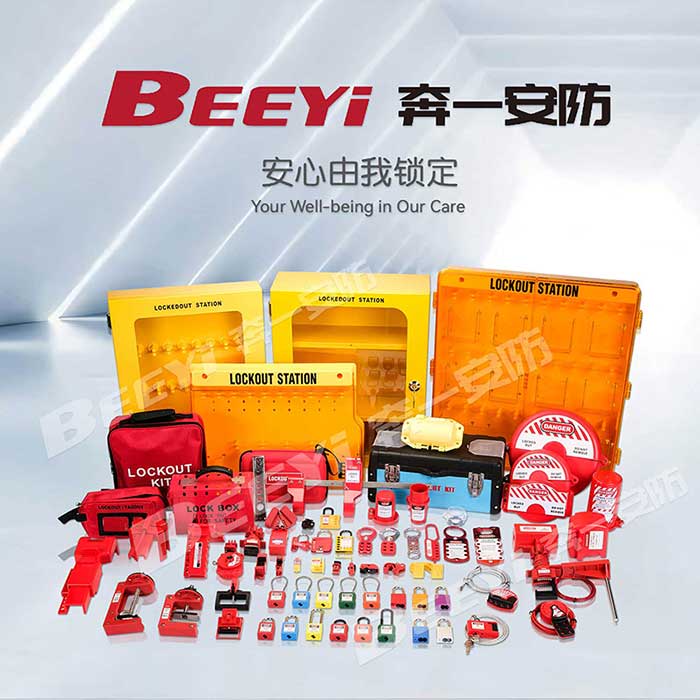
What are Industrial Pneumatic Lockouts? Industrial pneumatic lockouts are devices used to prevent the unintentional activation of pneumatic equipment while maintenance tasks are being carried out. Pneumatic systems often use compressed air or gas to power tools and machinery, posing a risk of accidental startup if proper precautions are not taken. Lockout/Tagout (LOTO) procedures are established to address these safety concerns, ensuring that energy sources are effectively controlled during maintenance. Importance of Lockout/Tagout Procedures The Occupational Safety and Health Administration (OSHA) emphasizes the importance of LOTO procedures in the workplace. These regulations aim to reduce workplace accidents and injuries related to unexpected equipment activation. According to OSHA, lockout/tagout reduces the risk of serious injuries and fatalities, emphasizing that no maintenance or servicing should be conducted on machinery and equipment without implementing these procedures. Consequently, industrial pneumatic lockouts become indispensable in ensuring the safety of workers interacting with pneumatic systems.