Industrial relays are an essential part of modern industrial automation systems, used to control the switching of electrical circuits. With their ability to handle high power loads and provide safety, these components are integral to the functioning of industrial machinery, electrical systems, and automation control panels. In this article, we will explore the key components of industrial relays, their types, and the various applications that make them indispensable in industrial environments.
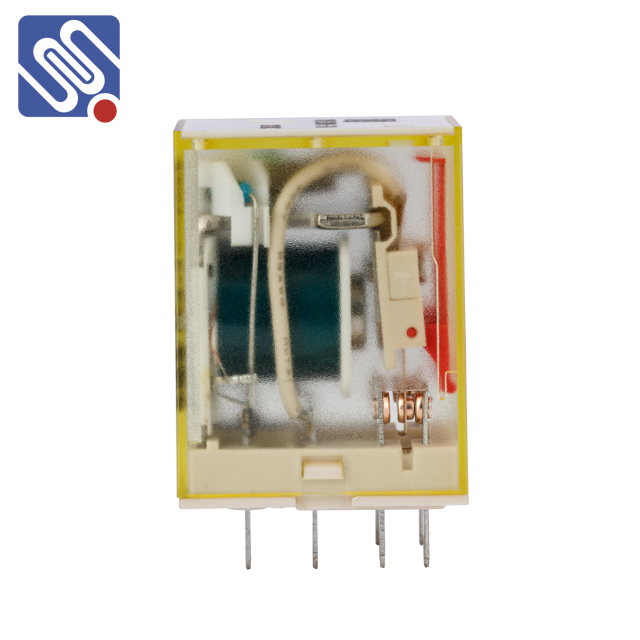
What Is an Industrial Relay? An industrial relay is an electrically operated switch that opens or closes circuits in response to a control signal. The basic function of a relay is to control a high-current load by using a low-current control signal. This makes relays ideal for use in automation systems where multiple circuits need to be controlled from a single low-power input source. Key Components of an Industrial Relay The operation of an industrial relay relies on several key components that work together to achieve the desired function: Coil (Electromagnet): The coil is a wire wound into a coil shape. When an electric current flows through it, the coil generates a magnetic field that attracts or repels a movable armature.