In today’s rapidly advancing technological landscape, safety in electrical systems has become a paramount concern for industries worldwide. One critical device that aids in maintaining this safety is the Insulation Monitoring Relay (IMR). This specialized equipment plays a pivotal role in monitoring the insulation resistance of electrical installations, ensuring that operators are alerted to potential faults before they escalate into dangerous situations.
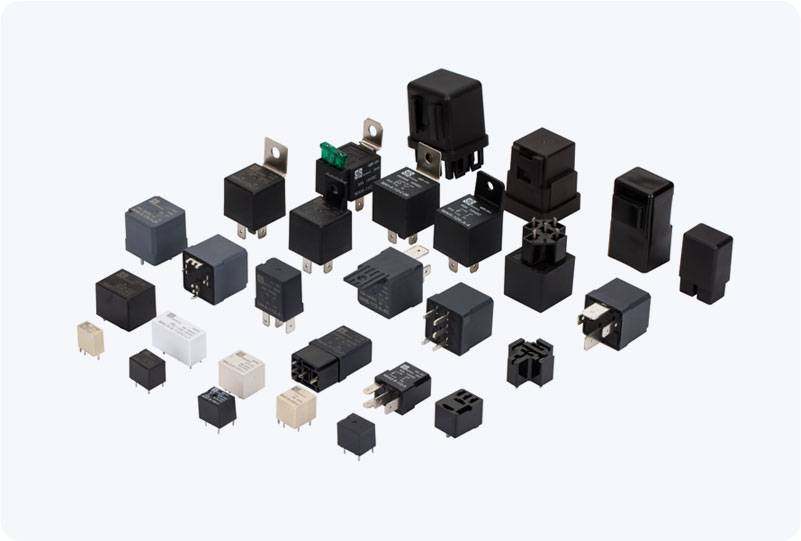
What is an Insulation Monitoring Relay? An Insulation Monitoring Relay is a protective device used primarily in electrical distribution systems to continuously check the integrity of the insulation surrounding energized conductors. It is particularly essential in environments where electrical systems are exposed to harsh conditions or where safety is critical, such as hospitals, data centers, and industrial plants. How Does It Work? The primary function of an IMR is to measure the insulation resistance within an electrical system. It typically operates by applying a small test voltage to the circuit and measuring the resultant leakage current. By calculating the insulation resistance value, the relay can detect any degradation in insulation. If the measured resistance falls below a predefined threshold, indicating a potential fault, the relay will activate an alarm or shutdown the system to prevent electrical shock or fire hazards.