Latching relays, also known as locking relays, are a specialized type of electromechanical device designed to maintain their position without continuous power. This unique feature distinguishes them from standard electromagnetic relays, which require constant voltage to remain in a particular state. In this article, we will explore the functionality, applications, and advantages of latching relays, providing insight into their role in various industries and systems.
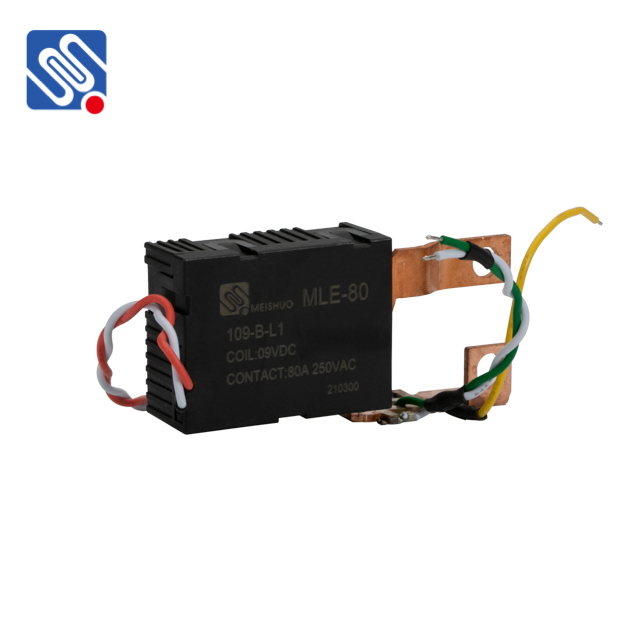
Functionality of Latching Relays At the core of a latching relay’s functionality are two main coils and a mechanical latching mechanism. When an electrical impulse is applied to one of the coils, the relay switches to one state, commonly known as the “on” state. The mechanical mechanism secures this position, enabling the relay to maintain its status even when power is cut off. This ability to “remember” its last state allows for energy savings, making them particularly advantageous in applications where power conservation is crucial. In order to change the state from “on” to “off,” another electrical impulse is sent to the second coil. This initiates the switch to the “off” position, again using the mechanical latching mechanism to secure this new state. The process requires brief and distinct electrical currents, which means that only short pulses are needed to toggle the state, thus conserving energy and reducing wear on the component compared to continuous draw mechanisms.