A latching relay is a type of electromagnetic relay that retains its position even after the control signal is removed. Unlike regular relays, which return to their default position once the power is turned off, latching relays “latch” onto a particular position and stay there until they are triggered again. This unique characteristic makes latching relays extremely useful in various applications, especially where power consumption needs to be minimized and where a relay must maintain its state over time without continuous energy.
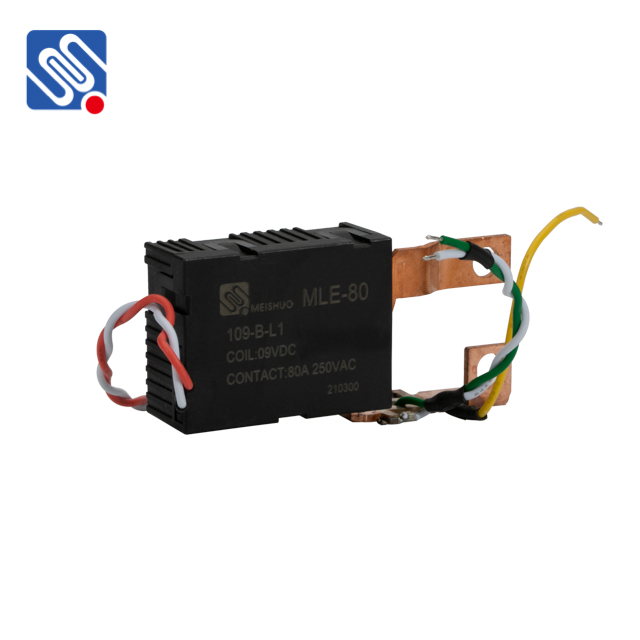
What is a Latching Relay? A latching relay, also known as a bistable relay, has two stable states: one when the relay is “latched” in the open position and another when it is “latched” in the closed position. These relays are designed to change states when a pulse is applied, but they don’t require a constant power supply to maintain their state. This is unlike a regular relay, which needs a continuous supply of power to keep the contacts in a particular state. The key component of a latching relay is a mechanical or electronic mechanism that locks the relay in one position after it is activated. To change the state of the relay, a second pulse is typically needed. This results in low power consumption, which is one of the main advantages of using a latching relay.
Leave a Reply
You must be logged in to post a comment.